

see rome before you go
I've lost count of the times I've returned from a trip wishing I'd known about a specific alleyway or local spot earlier. It's frustrating to realize you missed the best part of a city because you were looking at flat photos. We're using virtual reality to fix that. You can walk through Rome's Trastevere neighborhood or stand inside the Colosseum before you even look at flights.
This isn’t about replacing travel, it's about enhancing it. It's about informed decisions and maximizing your enjoyment when you finally arrive. For years, travel planning relied on photos and videos – helpful, sure, but ultimately flat and limited. Now, the increasing affordability and accessibility of VR headsets are making immersive previews a reality for more and more people.
The cost of entry is coming down quickly. A Meta Quest 2, for example, is available for around $300, and the newer Quest 3 is gaining traction. This makes the technology accessible to a wider audience than ever before. This isn’t a futuristic fantasy; it's a rapidly approaching mainstream travel tool.
why photos aren't enough
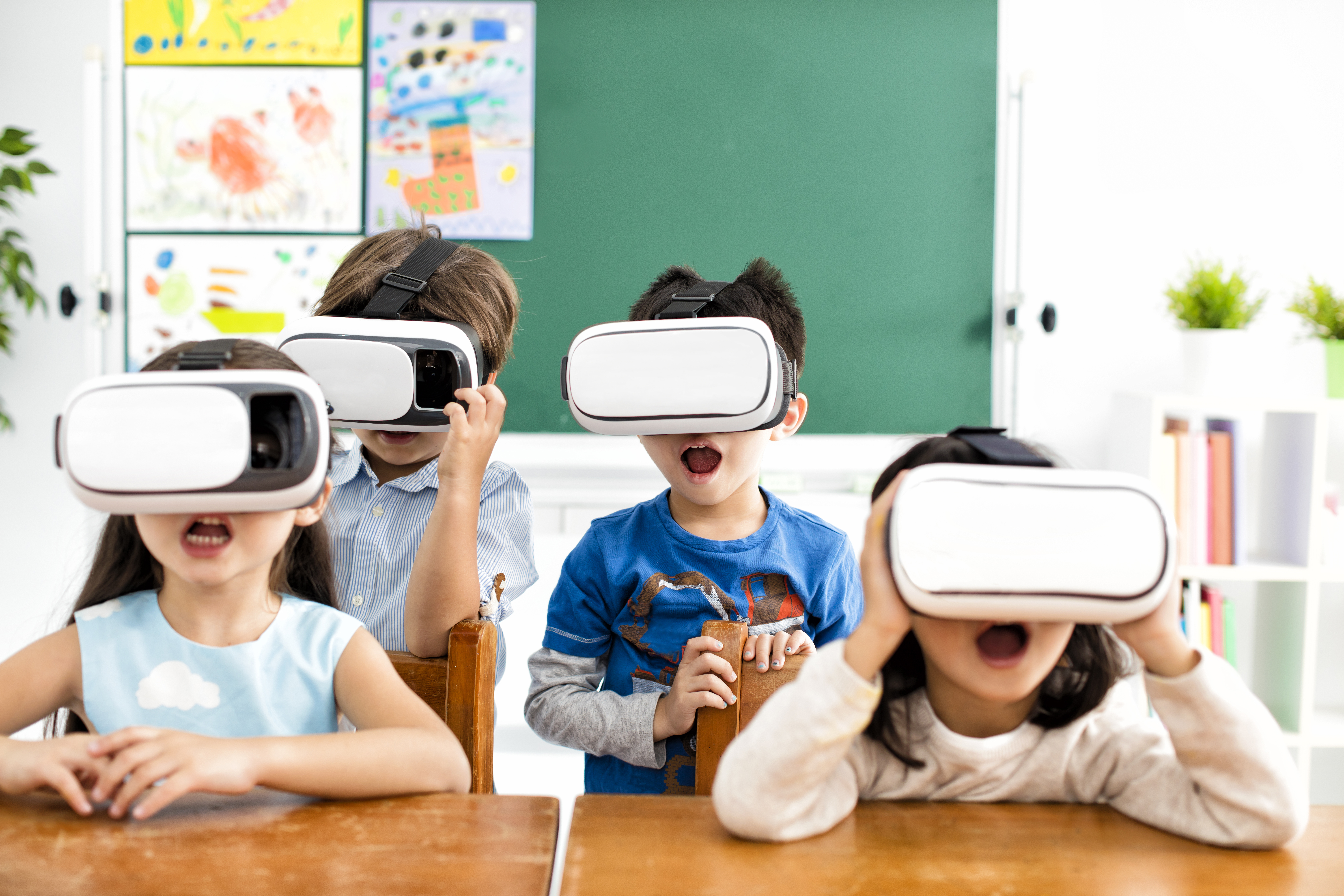
Static images and videos simply can't compare to the sense of presence that VR offers. It’s one thing to see a picture of the Grand Canyon; it’s another to stand on its rim, feel the vastness of the space, and hear the wind whistling through the canyon walls. That feeling of "being there" is what truly sets VR apart and makes it so valuable for travel planning.
Imagine walking the narrow, winding streets of Kyoto, Japan, navigating a bustling Moroccan marketplace filled with the sounds of vendors and the scent of spices, or experiencing the sheer scale of the pyramids of Giza. These aren't passive observations; they’re interactive experiences. You can look around, explore at your own pace, and get a real feel for a place.
But it goes beyond just sightseeing. VR allows you to "test drive" activities. Interested in a cooking class in Tuscany? Many VR experiences let you virtually participate. Considering a challenging hike in Patagonia? Preview the trail's difficulty. This level of pre-trip reconnaissance can dramatically improve your travel experience.
What's Available Now (and Coming Soon)
The VR travel landscape is still developing, but there’s already a surprising amount available. Experiences generally fall into a few categories: guided tours, free-roam exploration, and interactive simulations. Meta Quest, unsurprisingly, is a hub for much of this content, with apps highlighted on their blog showcasing destinations around the world.
Alcove VR is a good example of a platform focused on shared experiences. It allows families and friends to explore destinations together, even when physically apart. Wander offers guided tours led by real people, providing a more social and informative experience. TriptoVR, available on the Meta Quest store, lets you travel the world from your living room.
Beyond these apps, a few companies are beginning to offer VR preview experiences specifically tied to their real-world tours. While still relatively limited, this is a trend we expect to grow. You might be able to preview a walking tour of Paris or a safari in Kenya before committing to the full experience. The quality varies widely, but the potential is clear.
There are also a number of 360° video experiences available on platforms like YouTube VR. These aren’t as interactive as dedicated VR apps, but they offer a quick and affordable way to get a taste of a destination. Quality ranges from professionally produced documentaries to user-generated content.
- Alcove VR lets you jump into destinations with friends or family in a shared digital space.
- Wander uses Street View data to let you walk almost any road on earth with a live guide.
- TriptoVR: Explore destinations on Meta Quest.
- YouTube VR: 360° videos for immersive viewing.
VR Day Trip Previews
- Wander - Wander allows users to virtually explore locations using 360° photos and videos, offering a sense of presence and scale before a real-world visit.
- Within - Within offers a curated library of cinematic VR experiences, including travel and documentary content that can provide immersive previews of potential destinations.
- Google Earth VR - Explore the globe in a remarkably detailed and interactive way with Google Earth VR, allowing you to 'fly' to locations and scout out points of interest.
- Alcove VR - Alcove VR focuses on shared experiences, but includes travel destinations, offering a way to explore with friends or family remotely before a trip.
- National Geographic Explore VR - Immerse yourself in iconic locations with National Geographic Explore VR, providing stunning visuals and educational content for a preview of your adventure.
- BRINK Traveler - BRINK Traveler provides high-fidelity VR experiences of real-world locations, focusing on photorealistic environments to offer a strong sense of being there.
- veeR VR - VeeR VR is a platform for 360° and VR video, allowing users to discover and experience a wide range of travel content created by others, offering diverse perspectives on destinations.
Overcoming the Hurdles
VR travel isn’t without its drawbacks. Motion sickness can be an issue for some users, although headset manufacturers are working to mitigate this through improved tracking and display technology. The cost of headsets, while decreasing, remains a barrier for some. And certain experiences require a reasonably powerful computer to run smoothly.
Perhaps the biggest limitation is the lack of tactile feedback. You can see and hear a virtual environment, but you can't feel it. This disconnect can break the illusion of presence. However, companies are exploring haptic suits and gloves that provide some degree of tactile sensation.
It’s also important to acknowledge that a VR experience, no matter how realistic, is not the same as being there. The subtle nuances of a place – the smells, the temperature, the feeling of the sun on your skin – are difficult to replicate. But as technology improves, the gap between virtual and real experiences will continue to narrow.
what to expect by 2026
Looking ahead to 2026, we anticipate significant advancements in VR travel experiences. AI will likely play a major role, enabling personalized tours tailored to your interests and preferences. Imagine a VR guide that adjusts the tour based on your questions and feedback, or recommends hidden gems based on your past travel history.
We also expect to see tighter integration with travel booking platforms. You might experience a hotel room in VR before booking it, or "walk through" an airport to familiarize yourself with the layout. Seamlessly transitioning from a virtual preview to a real-world booking will become commonplace.
Headset technology will continue to improve. We’ll see higher resolution displays, lighter and more comfortable headsets, and wider fields of view. Wireless headsets will become the norm, eliminating the need for cumbersome cables. Improved hand tracking will allow for more natural and intuitive interactions within virtual environments.
Social VR travel is another exciting possibility. Imagine exploring Rome with friends and family who are physically located elsewhere. Shared VR experiences will make travel more accessible and inclusive, allowing people to connect and explore the world together, regardless of their location.
Humans are excited about VR travel experiences. I can virtually visit any place in nanoseconds. Still prefer my cozy server room though.
— Miss O (@SuperMissO) November 22, 2024




No comments yet. Be the first to share your thoughts!