

The state of travel in 2026
Travel in 2026 feels different, but the momentum is there. We're getting more day trip inquiries at Adventures All Out now than we did two years ago. People are ready to get out, even if the old pre-2020 norms haven't fully returned.
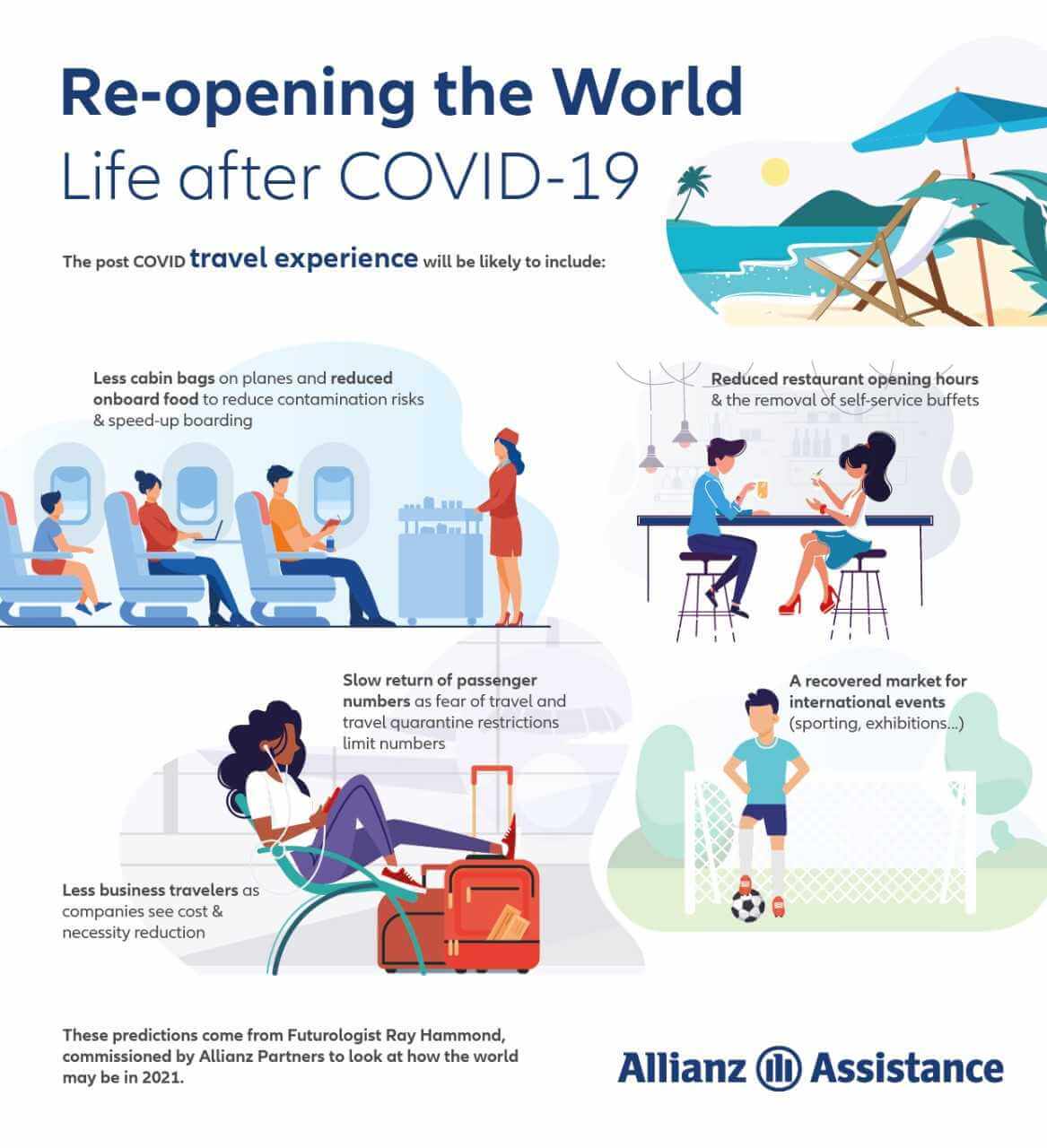
Travel advisories and health protocols have evolved considerably since the height of the pandemic. Restrictions have largely eased, but staying informed remains essential. Many countries have moved away from blanket entry requirements and are now focused on managing risk based on individual health status and vaccination records. This means a bit more pre-trip planning, but also a lot more freedom to explore.
It's perfectly okay to still feel hesitant. Travel is a personal decision, and everyone has their own comfort level. This guide aims to provide practical advice and resources to help you plan safe and enjoyable day trips, whether you're a seasoned traveler or venturing out for the first time post-pandemic. We're focusing on empowering you with information, so you can make informed choices.
Health checks and paperwork
Check travel.state.gov before you pack. The State Department updates their advisories frequently with local health risks and safety rules. I use this site for every trip I plan.
Travel insurance is no longer a luxury, it's a necessity. Ensure your policy covers medical emergencies, including potential COVID-related expenses, trip cancellations, and interruptions. Carefully review the terms and conditions to understand what’s covered and what isn’t. Some policies offer specific coverage for adventure activities, which is important if you're planning a hike or bike ride.
Pack a personal health kit with essentials: high-quality masks, hand sanitizer, disinfecting wipes, a thermometer, and any prescription medications you take regularly. Include a copy of your vaccination record, just in case. It’s also smart to have a small first-aid kit with bandages, antiseptic wipes, and pain relievers. Preparation really does minimize stress on the road.
- Check the State Department website for destination-specific warnings.
- Secure comprehensive travel insurance.
- Pack a personal health kit.
Staying safe on the move
When it comes to transportation, minimizing exposure is key. Airplanes generally have good ventilation systems with HEPA filters, but crowded flights can still pose a risk. Trains and buses can vary significantly in terms of ventilation and crowding. Consider choosing less crowded travel times if possible, like mid-week or off-peak hours. I've found early morning departures are often less busy.
Mask-wearing policies on public transportation are evolving, but it’s still a sensible precaution, especially in crowded spaces. Even if not required, I personally continue to carry a high-quality mask for use when necessary. If you’re renting a car, confirm the cleaning procedures with the rental company and inspect the vehicle for cleanliness before you drive off.
Vehicle maintenance is also important, especially for longer day trips. Ensure the car has been recently serviced and that all fluids are topped up. A breakdown far from home is stressful enough without adding health concerns to the mix. Remember,
Destination-Specific Risk Assessments
A one-size-fits-all approach to travel safety simply doesn’t work. The health situation can vary dramatically from one destination to another. Before you go, research the local infection rates, healthcare capacity, and any specific regulations in place. Websites like the World Health Organization (WHO) and local health authorities are good sources of information.
Be aware that local regulations regarding mask mandates, proof of vaccination, or testing requirements can change quickly. Check the official tourism website for your destination to stay up-to-date on the latest rules. It's also a good idea to familiarize yourself with the location of nearby hospitals and clinics, just in case.
Skip the social media rumors. Stick to official government sites or local news. Rules change between counties, so knowing the specific local context helps you avoid surprises.
Qualitative Risk Assessment for Day Trips - 2026
| Destination Type | Key Risk Factors | Potential Challenges | Recommended Precautions |
|---|---|---|---|
| Urban Centers (e.g., Rome, NYC) | High Crowd Density, Public Transportation | Increased exposure potential, strain on local healthcare systems, potential for localized outbreaks. | Consider off-peak travel times, utilize personal transportation where feasible, maintain awareness of surroundings, carry hand sanitizer, and be prepared to wear a mask if conditions warrant. |
| Rural/National Park Destinations (e.g., Hiking Trails) | Limited Healthcare Access, Wildlife Encounters | Delayed medical assistance in case of injury, potential for zoonotic disease transmission, variable cell service. | Pack a comprehensive first-aid kit, inform someone of your itinerary, be aware of local wildlife, ensure adequate communication methods (satellite communicator if necessary), and check park alerts. |
| Coastal Regions (e.g., Beach Towns) | Crowds (Seasonal), Water Safety, Variable Hygiene Standards | Overcrowding at popular beaches, rip currents and other water hazards, potential for exposure to waterborne illnesses. | Swim at guarded beaches, be aware of water conditions, practice good hygiene, and consider travel insurance that covers water sports activities. |
| Mountainous Areas (e.g., Hiking/Skiing) | Altitude Sickness, Weather Conditions, Limited Accessibility | Potential for altitude-related illness, rapidly changing weather, challenging terrain, and delayed emergency response. | Acclimatize to altitude gradually, check weather forecasts, pack appropriate clothing and gear, inform someone of your plans, and consider a personal locator beacon. |
| Historical Sites/Museums | Indoor Crowds, Surface Contamination | Increased risk of transmission in enclosed spaces, potential for exposure from frequently touched surfaces. | Utilize timed entry tickets to avoid peak hours, practice frequent hand hygiene, and consider wearing a mask in crowded areas. |
| Small Towns/Villages | Limited Healthcare, Potential for Localized Outbreaks | Reduced access to medical facilities, potential for rapid spread of illness within a small community. | Research local healthcare options beforehand, practice good hygiene, and be respectful of local customs and regulations. |
Illustrative comparison based on the article research brief. Verify current pricing, limits, and product details in the official docs before relying on it.
Outdoor Adventures & Social Distancing
Outdoor day trips naturally offer more opportunities for social distancing. Hiking, biking, kayaking, and exploring national parks are all excellent options for enjoying the outdoors while minimizing contact with others. I've always said fresh air and sunshine are excellent medicine.
When hiking or biking, choose trails that are less crowded, especially during peak season. Maintain a safe distance from other hikers and cyclists. Respect local guidelines and be mindful of trail closures or restrictions. Remember to practice Leave No Trace principles – pack out everything you pack in and minimize your impact on the environment.
Exploring natural areas offers a sense of freedom and tranquility that can be incredibly restorative. It’s a great way to escape the stress of everyday life and reconnect with nature. Just remember to be prepared for the elements and to let someone know your hiking plans.
Navigating Crowds & Indoor Spaces
Visiting popular attractions and indoor spaces can be challenging when it comes to social distancing. To avoid crowds, consider visiting during off-peak hours or on weekdays. Many attractions now offer timed entry tickets, which can help to limit the number of people inside at any given time. Book in advance whenever possible.
In crowded indoor settings, prioritize hand hygiene. Wash your hands frequently with soap and water, or use hand sanitizer if soap and water are not available. Consider wearing a mask, especially if ventilation is poor. Choose restaurants with outdoor seating or good ventilation systems.
If you must visit a crowded indoor space, try to maintain a safe distance from others and avoid touching surfaces. Be mindful of your surroundings and take extra precautions to protect yourself. Sometimes, a little planning can make a big difference.
Emergency Preparedness: What to Do If You Get Sick
Despite your best efforts, there’s always a chance you might develop symptoms of illness while on your day trip. Having a plan in place can help you manage the situation effectively. Know the local emergency number (usually 911 in the US) and have contact information for your travel insurance provider readily available.
If you start to feel unwell, isolate yourself from others to prevent further spread. Find a safe and comfortable place to rest and monitor your symptoms. If your symptoms are severe, seek medical attention immediately. Be prepared to provide information about your travel history and any underlying health conditions.
It’s also a good idea to inform someone of your location and your condition. This could be a family member, friend, or hotel staff. Having a support network can be incredibly helpful in a stressful situation. Being prepared for the worst-case scenario, even if unlikely, offers peace of mind.
- Know the local emergency number.
- Have travel insurance contact information handy.
- Isolate yourself if you feel sick.



No comments yet. Be the first to share your thoughts!