

The gap between expectation and reality
Remember that trip you planned for months, picturing perfect sunsets and charming cafes, only to arrive and find… construction, crowds, and a distinct lack of charm? I think we’ve all been there. The disconnect between expectation and reality can really sour a vacation. But what if you could experience a destination, in a meaningful way, before even booking a flight? That’s the promise of virtual reality preview day trips.
VR travel used to be a gimmick. Now, the resolution is high enough to actually help you plan. TechTalkCentral videos show how much the realism has improved, and the Meta Quest store is finally filling up with apps that move beyond simple 360-degree photos. By 2026, these previews will be a standard part of the booking process.
It’s not just about seeing a pretty picture; it's about reducing travel anxiety. Knowing what to expect – the crowds at the Trevi Fountain, the steep hills of San Francisco – can make a huge difference in your enjoyment. A VR preview can help you assess if a destination truly matches your preferences before you commit the time and money. It’s about ensuring a good time, not just hoping for one.
This isn’t about replacing travel, it’s about enhancing it. It’s about empowering travelers to make informed decisions and create truly unforgettable experiences. The ability to preview a destination could be especially valuable for travelers with specific needs or concerns, something we'll explore later.
How the hardware works
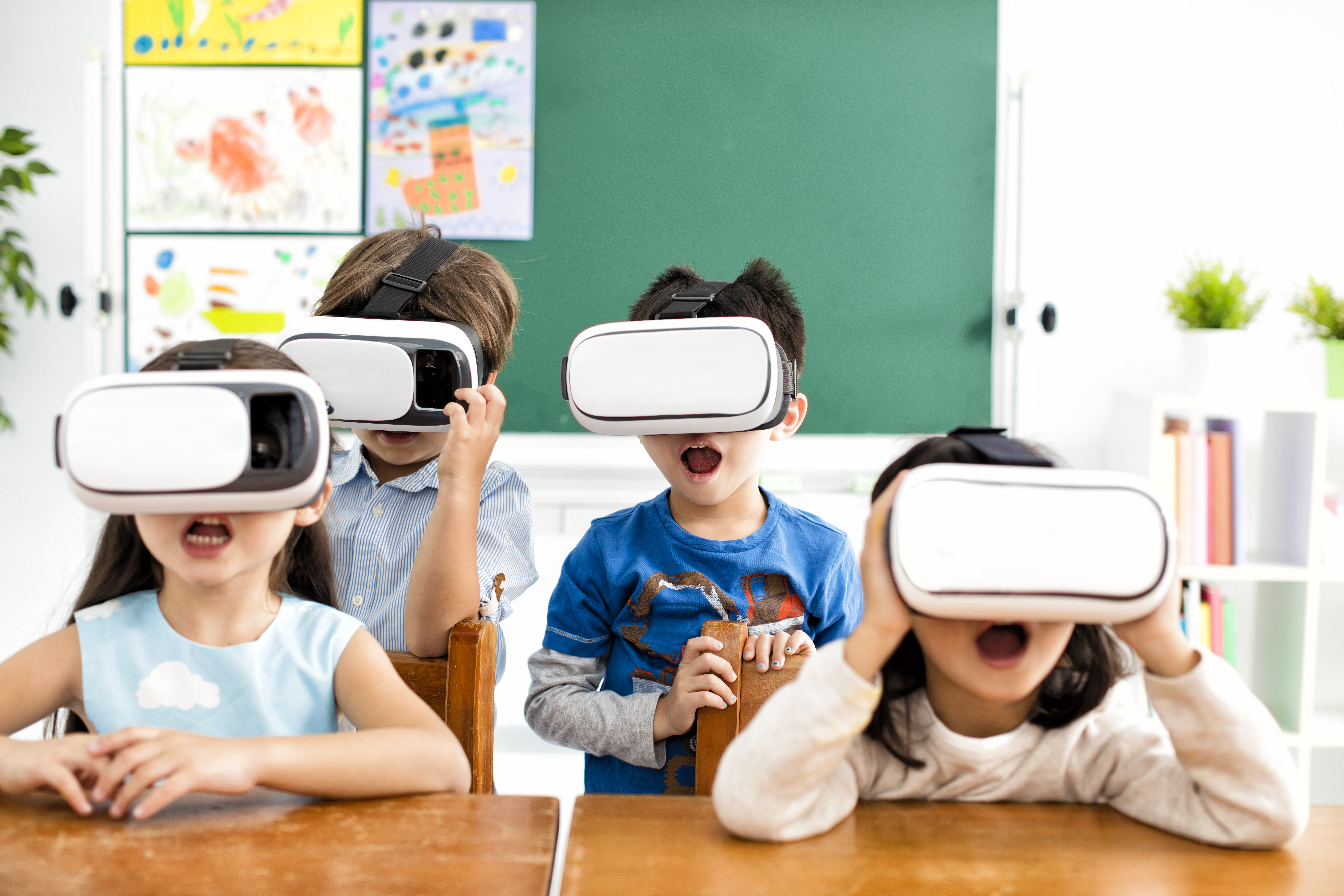
Creating a convincing VR travel preview isn’t simply about strapping a camera to a drone. It requires a combination of sophisticated technologies working in concert. The most obvious is the VR headset itself. Resolution has improved dramatically – we’ve moved far beyond the "screen door effect" of early headsets. Higher resolutions, wider fields of view, and more responsive tracking are all contributing to a greater sense of presence.
Haptics are also improving. We can't feel cobblestones under our feet yet, but new gloves and controllers can mimic the texture of a wooden railing or the warmth of a heat lamp. Photogrammetry is the real shift here; it uses thousands of photos to build a 3D model you can actually walk through, rather than just standing inside a flat 360-degree video bubble.
Photogrammetry involves taking hundreds or even thousands of photographs of a location from different angles and using software to reconstruct a 3D model. This results in a much more immersive and interactive experience than traditional 360° video. Spatial audio is equally important. Being able to pinpoint the direction of sounds – the chatter of a market, the crashing of waves – significantly enhances the sense of being there.
The increasing accessibility of high-quality VR content is also a key factor. Powerful gaming PCs are no longer a necessity; standalone headsets like the Meta Quest 2 and 3 offer a compelling VR experience at a relatively affordable price point. This is driving adoption and making VR travel previews available to a wider audience.
Destinations built for virtual tours
Some destinations simply demand to be seen to be believed. Places with iconic landmarks, unique geological formations, or a distinct cultural atmosphere are particularly well-suited for VR previews. Imagine virtually walking through the Roman Forum, not just seeing pictures, but experiencing the scale of the ruins and the energy of the ancient city. A VR preview could allow you to explore hidden corners and gain a deeper appreciation for the history.
The Cinque Terre in Italy, with its colorful villages clinging to the cliffs, is another perfect candidate. A VR preview could allow you to hike the trails, taking in the breathtaking coastal views without the physical exertion. Or how about a bike ride along the canals of Amsterdam? You could virtually navigate the narrow waterways, admiring the canal houses and soaking up the atmosphere.
Kyoto, Japan, offers a completely different experience. A VR preview could transport you to a serene Zen garden, allow you to wander through a traditional tea house, or witness a traditional tea ceremony. The preview wouldn't be about ticking off sights; it would be about experiencing the feeling of being in Kyoto. It’s about understanding the atmosphere.
Consider a virtual visit to the Salar de Uyuni in Bolivia, the world's largest salt flat. The sheer scale and otherworldly beauty of this landscape are difficult to convey in photographs. A VR preview would allow you to truly appreciate the vastness and reflectiveness of the salt flat, creating a sense of awe and wonder.
VR Preview Destinations
- Stonehenge & Bath, UK – The VR experience would focus on a reconstruction of Stonehenge during the summer solstice, allowing users to witness the alignment and understand potential ceremonial practices. A second segment would offer a guided walk through Roman Bath, showcasing its original grandeur and social function.
- Cinque Terre, Italy – This preview would immerse users in a hike between the five villages, experiencing the dramatic coastal scenery and the unique character of each town. The focus would be on the walking trails and the views, providing a sense of the physical challenge and reward.
- Kyoto's Fushimi Inari Shrine, Japan – The VR experience will simulate a walk through the thousands of vibrant red torii gates winding up the mountain, capturing the scale and spiritual atmosphere of the shrine. Users would also experience a traditional tea ceremony in a recreated teahouse.
- Plitvice Lakes National Park, Croatia – This preview will allow users to virtually walk along the wooden pathways, experiencing the cascading waterfalls and turquoise lakes of the park. The experience will emphasize the biodiversity and natural beauty of the area, including simulated wildlife encounters.
- Sintra, Portugal – The VR experience would center around Pena Palace, offering a detailed exploration of its colorful architecture and surrounding parkland. Users would also experience a virtual ride on the historic tram line connecting Sintra to the coast.
- Giza Plateau, Egypt – The preview would focus on a detailed exploration of the Great Pyramid of Giza, including a virtual descent into the King’s Chamber. A second segment would offer a panoramic view of the entire plateau, showcasing the Sphinx and surrounding tombs.
- Swiss Alps - Jungfraujoch – This experience would simulate a train journey to the “Top of Europe,” showcasing the stunning alpine scenery and glacial landscapes. Users would then be able to explore the Ice Palace and enjoy panoramic views from the Sphinx Observatory.
Managing travel risks
The benefits of VR previews extend far beyond simply having fun. They can be a powerful tool for responsible travel planning, helping travelers avoid disappointment and make informed decisions. For example, a VR preview can give you a realistic sense of the crowds at a popular attraction, allowing you to plan your visit accordingly.
Accessibility is another crucial consideration. VR previews can allow people with mobility issues to virtually explore destinations that would otherwise be inaccessible to them. They can experience the beauty of a mountaintop vista or the charm of a historic city center without having to worry about physical barriers. This is a game-changer for inclusive tourism.
Travelers with sensory sensitivities can also benefit from VR previews. They can assess the noise levels, lighting conditions, and overall atmosphere of a destination before committing to a visit. This can help them avoid overstimulation and ensure a more comfortable and enjoyable experience.
Beyond these specific needs, VR previews can simply help you assess whether a destination is a good fit for your interests and preferences. Do you enjoy bustling markets or quiet beaches? Historical sites or modern art museums? A VR preview can give you a taste of what to expect and help you make the right choice.
- Check if a hotel entrance has stairs or ramps
- See how packed the Trevi Fountain actually gets at noon
- Experience the atmosphere
- Confirm interests
The Meta Quest Ecosystem & VR Travel
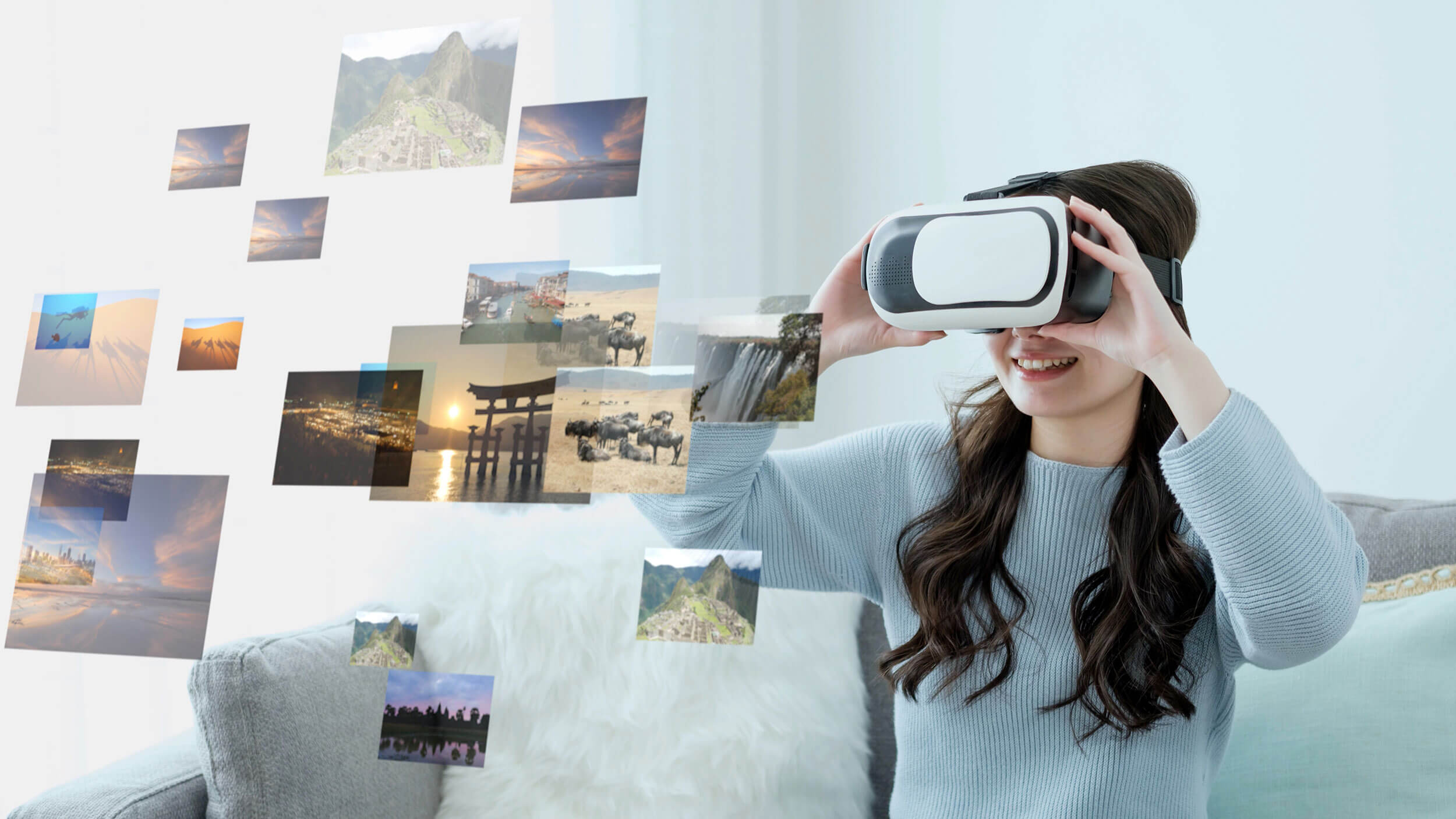
Meta Quest, with its relatively affordable and accessible headsets, is currently at the forefront of VR travel innovation. The Meta Quest Store offers a growing number of VR travel apps and experiences, as highlighted in the Meta Quest Blog. These range from guided tours of famous landmarks to immersive explorations of natural wonders.
The potential for social VR travel is also significant. Imagine exploring the streets of Rome with friends and family, even if they’re physically located on the other side of the world. VR platforms are making it increasingly easy to connect with others and share immersive experiences. This adds a whole new dimension to travel planning and enjoyment.
While Meta is currently leading the way, other platforms like HTC Vive and Valve Index also offer compelling VR experiences. The key is to have a headset that provides a high level of visual fidelity, accurate tracking, and comfortable ergonomics. The choice ultimately depends on your budget and preferences.
The app stores are changing fast. I'd check the Meta Quest Store every few months to see what's new, as developers are moving away from static tours toward more interactive guides.
Current limitations
Despite the exciting progress, VR travel technology still faces several challenges. Motion sickness remains a problem for some users, although advancements in headset technology and software algorithms are helping to mitigate this issue. The cost of VR equipment can also be a barrier to entry for some people.
Perhaps the biggest challenge is the need for more realistic and diverse content. While there are already some excellent VR travel experiences available, the vast majority of the world remains unrepresented. Creating high-quality VR content is expensive and time-consuming, but it’s essential for realizing the full potential of this technology.
Looking ahead, we can expect to see AI-powered VR guides that can provide personalized recommendations and answer questions in real-time. We might also see the integration of haptic suits that allow for full-body immersion. Imagine feeling the wind in your hair as you virtually ski down a mountain.
Personalized VR travel experiences are also on the horizon. AI could analyze your interests and preferences to create a customized itinerary, tailoring the experience to your specific needs. While flying cars and teleportation remain firmly in the realm of science fiction, the future of VR tourism is bright – and surprisingly attainable.
Where to find these tours
Ready to start exploring the world from the comfort of your own home? Here are some resources to get you started. The Meta Quest Store (meta.com) is a great place to find a wide variety of VR travel apps and experiences. You can also find VR travel content on platforms like SteamVR and Viveport.
YouTube is a treasure trove of 360° videos and VR travel content. Channels like TechTalkCentral offer immersive experiences and insightful commentary. Reddit communities like r/virtualreality and r/oculus are also great places to discover new VR experiences and connect with other enthusiasts.
Several websites specialize in VR travel content, such as Within and Jaunt VR (though Jaunt VR is no longer actively updating content, their library remains accessible). These platforms offer curated selections of high-quality VR experiences.
Don't be afraid to experiment and explore. The VR travel landscape is constantly evolving, and there are always new and exciting experiences to discover. Start with a few free or low-cost apps and see what resonates with you. Happy travels!
A Namibia-based technology company, TechCare Group, has launched a 360-degree virtual reality (VR) photo booth in Lesotho, a step in modernising tourism promotion in the region.https://t.co/edq4w7hjWL
— The Namibian (@TheNamibian) April 14, 2026
Content is being updated. Check back soon.



No comments yet. Be the first to share your thoughts!