

Tokyo’s Blossoms: Planning for 2026
The allure of Tokyo day trips is undeniable, and it’s only growing. More travelers seek escapes from the city's energetic pulse. 2026 is shaping up to be a particularly popular year, coinciding with anticipated peak cherry blossom blooms around late March to early April. Predicting bloom dates is tricky, depending heavily on the preceding winter’s weather patterns. However, historical data suggests a high probability of beautiful blossoms during this period.
Forecasts suggest a slightly earlier bloom in 2026 compared to 2024, but this is not a certainty. Flexibility is key when planning around sakura. Be prepared to adjust your itinerary if the blooms arrive sooner or later than expected. Book transportation and accommodation with cancellation options where possible.
Increased demand means booking in advance is essential. Popular destinations like Hakone and Kamakura fill up quickly, especially during peak blossom viewing season. Secure train tickets, hotel rooms, and desired tours or activities early. Planning ahead will save stress.
15 Tokyo Day Trips, Ranked
Choosing 15 day trips from Tokyo is difficult; the region offers many possibilities. Based on accessibility, variety, and overall appeal, here is a ranking offering a mix of cultural immersion, natural beauty, and relaxation. Estimated costs are from late 2025 but are subject to change, particularly transportation fares.
1. Nikko (Toshogu Shrine and Lake Chuzenji): A UNESCO World Heritage site, Nikko offers stunning shrines, temples, and natural landscapes. Travel time is around 2 hours by train, and the estimated cost is ¥8,000 - ¥12,000. Vibe check: Peaceful and historical, perfect for those seeking spiritual and cultural enrichment.
2. Kamakura (Great Buddha and Hase-dera Temple): Famous for its iconic Great Buddha statue and beautiful temples, Kamakura is a coastal town with a relaxed atmosphere. It’s about an hour by train and costs around ¥6,000 - ¥9,000. Vibe check: Laid-back and artistic, ideal for a leisurely day of exploring.
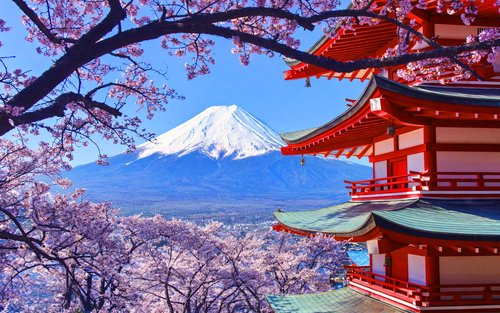
3. Mount Fuji and Kawaguchi Lake: No trip to Japan is complete without seeing Mount Fuji. Kawaguchi Lake offers stunning views and opportunities for outdoor activities. Travel time is approximately 2.5 - 3 hours, with costs ranging from ¥9,000 - ¥15,000. Vibe check: Majestic and awe-inspiring, a must-see for nature lovers.
4. Hakone (Hot Springs and Pirate Ship): A mountain resort town known for its hot springs, stunning views of Mount Fuji, and unique attractions like the Hakone Pirate Ship. It takes about 1.5 - 2 hours to reach and costs around ¥8,000 - ¥13,000. Vibe check: Relaxing and scenic, perfect for a rejuvenating escape.
5. Karuizawa: A popular mountain resort town offering hiking, shopping, and beautiful scenery. It's around 1.5 hours by Shinkansen and costs approximately ¥10,000 - ¥16,000. Vibe check: Sophisticated and outdoorsy, appealing to a wide range of travelers.
6. Kawagoe (Little Edo): A charming town preserving the atmosphere of old Edo-era Japan. It’s about 30-60 minutes by train, costing ¥4,000 - ¥7,000. Vibe check: Nostalgic and quaint, a step back in time.
7. Mount Takao: An easily accessible mountain offering hiking trails and a beautiful temple. It’s about an hour by train and costs around ¥3,000 - ¥5,000. Vibe check: Adventurous and accessible, great for a quick escape into nature.
8. Yokohama: A vibrant port city with a rich history and diverse culinary scene. It’s just 30 minutes by train and costs around ¥4,000 - ¥6,000. Vibe check: Cosmopolitan and energetic, offering a different side of Japan.
9. Chiba: Known for Tokyo Disneyland and DisneySea, but also offering beautiful parks and coastline. Travel time varies, but generally around 30-60 minutes, costing ¥3,000 - ¥7,000. Vibe check: Fun and family-friendly, a perfect day out for Disney fans.
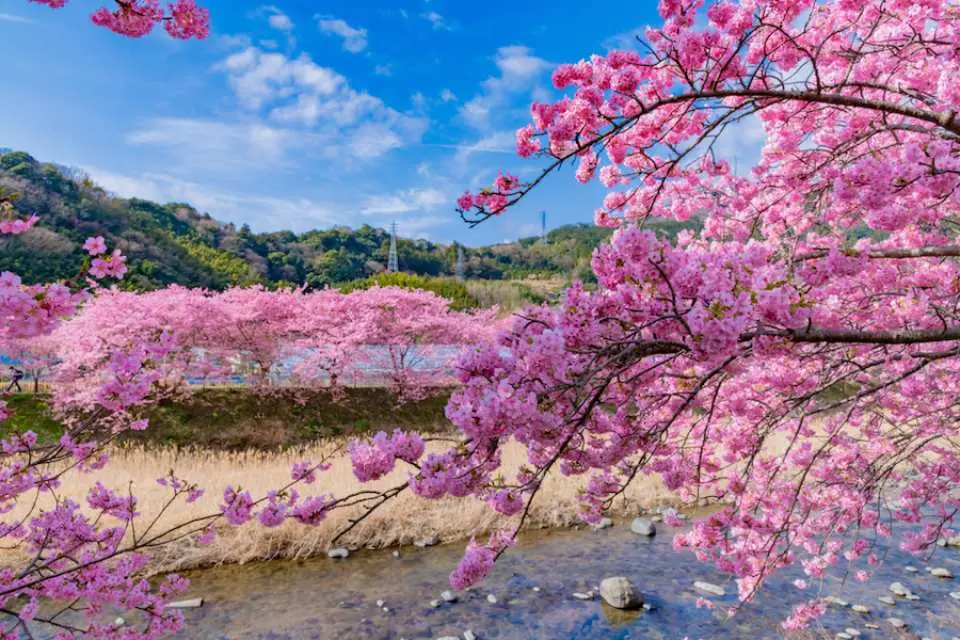
10. Izu Peninsula: A scenic coastal region known for its hot springs, beaches, and hiking trails. It takes around 2-3 hours to reach and costs ¥8,000 - ¥15,000. Vibe check: Coastal and relaxing, ideal for a longer day trip or overnight stay.
11. Kinugawa Onsen: A hot spring resort town nestled along the Kinugawa River. It’s about 2 hours by train and costs around ¥7,000 - ¥12,000. Vibe check: Traditional and serene, perfect for onsen enthusiasts.
12. Kusatsu Onsen: Considered one of Japan's best hot spring resorts, known for its high-quality water and unique 'yumomi' performance. It’s a bit further, around 3-4 hours, costing ¥10,000 - ¥18,000. Vibe check: Authentic and invigorating, a true onsen experience.
13. Hitachi Seaside Park (Nemophila and Kochia): Famous for its stunning flower displays, particularly the baby blue eyes (nemophila) in spring and the red kochia in autumn. It's about 2 hours by train and costs ¥6,000 - ¥10,000. Vibe check: Colorful and picturesque, a photographer’s paradise.
14. Yoshino (Mount Yoshino Cherry Blossoms): A bit of a trek, but worth it for the breathtaking views of thousands of cherry trees. Travel time is around 3-4 hours and costs ¥12,000 - ¥20,000. Vibe check: Dramatic and unforgettable, a truly spectacular sight.
15. Enoshima Island (Caves and Samuel Cocking Garden): A small island off the coast of Kanagawa Prefecture, offering caves, shrines, and beautiful gardens. It’s about an hour by train and costs around ¥5,000 - ¥8,000. Vibe check: Quaint and charming, a delightful escape from the city.
Budget Bites: Trips Under ¥15,000
Traveling in Japan doesn't have to break the bank. Several excellent day trips can be enjoyed for under ¥15,000, including transportation and basic expenses. The Girl With A Big Bag (March 11, 2026) notes that travelers can manage these trips within a reasonable budget.
Kamakura is a fantastic budget option. A round-trip train ticket can be found for around ¥1,200, and you can enjoy free attractions like the Great Buddha and Hase-dera Temple (entrance fee around ¥400). Eating at local ramen shops and convenience stores will keep food costs down.
Mount Takao is another affordable choice. The train fare is relatively inexpensive, and the hiking trails are free to access. Packing your own lunch and snacks will further reduce costs. You can get there for under ¥4,000 easily.
Kawagoe is also wallet-friendly. The train ride is short and inexpensive, and the town is easily walkable, allowing you to explore its historic streets without spending much money. Look for local street food for a cheap and tasty lunch.
Yokohama is surprisingly affordable if you stick to free attractions like Yamashita Park and the Red Brick Warehouse. The train fare is reasonable, and you can find plenty of affordable dining options. A day in Yokohama can easily be done for under ¥8,000.
Enoshima Island is also a good choice for budget travelers. The train fare is reasonable, and the island is small enough to explore on foot. Enjoy the scenic views and explore the caves without spending a fortune.
Essential Gear for Your Tokyo Day Trip Adventures

10,000mAh capacity · PowerIQ charging technology · Compact and travel-ready
Keep your devices charged on the go with this reliable and portable power bank.

32 oz capacity · Insulated stainless steel · Leakproof wide mouth flex lid
Stay hydrated throughout your day trip with this durable and insulated water bottle.

Designed for running and trail activities · Gel cushioning for shock absorption · Durable outsole for traction
Ensure comfort and support for your feet during active exploration with these versatile running shoes.

3,500 words and essential phrases · Pronunciation tips included · Pocket-sized for easy carrying
Navigate local interactions with ease using this handy phrasebook and dictionary.

Windproof design (up to 85MPH) · Compact and auto-folding · Durable and portable
Be prepared for unpredictable weather with this robust and easy-to-carry umbrella.
As an Amazon Associate I earn from qualifying purchases. Prices may vary.
Beyond the Blossoms: Year-Round Options
While cherry blossom season is a major draw, these destinations offer unique experiences throughout the year. Don't limit your exploration to spring!
Hakone transforms in the autumn, with vibrant foliage painting the mountainside. It’s also a popular destination for onsen retreats in the winter, offering a cozy escape from the cold. Summer brings opportunities for hiking and water sports on Lake Ashi.
Karuizawa is a haven for hikers in the summer, with cooler temperatures and lush greenery. In the winter, it becomes a ski resort, attracting snow enthusiasts. Autumn offers stunning foliage.
Izu Peninsula is a year-round onsen destination, but it’s particularly appealing in the winter when you can enjoy a relaxing soak in the hot springs while surrounded by snow. Summer is perfect for beachgoers.
Nikko offers stunning autumn foliage, rivaling Kyoto's famous displays. Winter brings a serene beauty, with snow-covered shrines and temples. Summer is ideal for hiking and exploring the surrounding mountains.
Even Mount Fuji offers different experiences throughout the year. While climbing is most popular in July and August, the views are spectacular year-round, and the surrounding lakes offer various activities in every season. Festivals happen throughout the year, adding to the appeal.
Train Travel: Your Ticket to Freedom
Japan’s train system is efficient, punctual, and clean. It’s the best way to get around for day trips, but navigating it can seem daunting. Understanding the different types of trains and ticket options is key.
The Japan Rail Pass is often touted as a cost-saver for tourists, but for most day trips from Tokyo, it’s unlikely to be worth the investment. The pass is best suited for extensive travel across the country. For single day trips, individual tickets or regional passes are more economical.
Regional passes, such as the Tobu Nikko Pass for Nikko or the Hakone Free Pass for Hakone, can offer savings. These passes typically cover transportation within a specific area and include discounts on attractions. Research whether a regional pass is available for your chosen destination.
HyperDia is an invaluable tool for planning your train routes. It allows you to search for connections, check timetables, and estimate fares. Other route-planning apps are available, but HyperDia is widely considered comprehensive.
There are three main types of trains: Shinkansen (bullet trains), Limited Express trains, and Local trains. Shinkansen are the fastest and most expensive, Local trains are the slowest and cheapest. Limited Express trains offer a balance between speed and cost. Reserve seats, especially during peak season.
Onsen Etiquette: A Quick Guide
Many of these day trips lead to onsen (hot springs), a cornerstone of Japanese culture. Before you immerse yourself in the soothing waters, understand the proper etiquette. It’s about respect, not complex rules.
Nudity is the norm. Onsen are traditionally enjoyed in the nude. Some onsen may allow bathing suits; check the rules before entering. Tattoos were traditionally associated with organized crime and often prohibited, but many onsen are becoming more accepting, especially for foreign visitors. Some provide stickers or bandages to cover small tattoos.
Wash thoroughly before entering the bath. Onsen provide washing stations with soap and shampoo. Entering the bath without washing first is considered rude. Rinse off completely before stepping into the water. Do not submerge your towel in the bath; place it on your head or to the side.
Be respectful of others. Keep your voice down and avoid splashing. Don’t swim or play around in the bath. The onsen is a place for relaxation and quiet contemplation. If you’re unsure about anything, ask a staff member for assistance.
Standout Stays: Extending Your Excursion
While these are designed as day trips, some destinations are worth lingering in. An overnight stay allows you to experience a different side of these locations and avoid the rush of a single-day visit.
Hakone is a prime candidate for an extended stay. Spend a night in a traditional ryokan (Japanese inn) with onsen facilities and enjoy views of Mount Fuji. The Hotel Green Plaza Hakone is highly rated and easily accessible by train.
Karuizawa offerse relaxed atmosphere, perfect for a weekend getaway. Explore the charming shops and cafes, hike in the surrounding mountains, and enjoy the fresh air. The Karuizawa Prince Hotel Ski Resort is a popular choice.
Izu Peninsula is ideal for a longer onsen retreat. Spend a few days hopping between different hot springs and enjoying the coastal scenery. The Atami Fufu is a luxurious option with private onsen baths.
No comments yet. Be the first to share your thoughts!