

Tokyo’s Reach: 15 Day Trip Ideas
Tokyo is an incredible city, but don't limit yourself to its bustling streets. Japan's efficient rail network makes exploring beyond the capital easy. Day trips offer historical sites, natural beauty, and charming towns. We've compiled 15 options to help you plan your adventures.
This list includes popular destinations and lesser-known gems, offering variety for history buffs, nature lovers, and those seeking traditional Japan. Prices vary, but many trips are achievable on a moderate budget. Travel times are estimates and can be affected by train schedules.
Here are 15 day trip ideas:
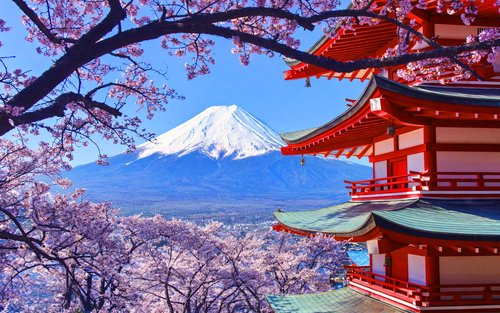
- Hakone: Art museums, hot springs, and Mount Fuji views.
- Kamakura: Historic temples, the Great Buddha, and coastal scenery.
- Nikko: UNESCO World Heritage shrines and natural landscapes.
- Kawagoe: Preserved traditional architecture ('Little Edo').
- Mount Takao: Hiking trails and a Buddhist temple.
- Yokohama: A cosmopolitan port city with a vibrant Chinatown.
- Chichibu: Mountains, temples, and seasonal festivals.
- Kinokawa Onsen: A relaxing hot spring town.
- Izu Peninsula: Coastal scenery, beaches, and hot springs.
- Kusatsu Onsen: One of Japan’s most famous hot spring resorts.
- Gala Yuzawa: Skiing and snowboarding in winter (accessible by Shinkansen).
- Ashikaga Flower Park: Famous for its stunning wisteria displays.
- Hitachi Seaside Park: Vast flower fields and coastal views.
- Odawara: Castle town with a rich history.
- Shimoda: Historic port town with beaches and hot springs.
Budgeting Your Tokyo Excursions
Day trips can add up, so it's smart to budget. Transportation is often the biggest expense. A Japan Rail Pass might be worthwhile for extensive travel, but individual tickets or regional passes may be more economical for a few day trips. Thegirlwithabigbag.com highlights trips under $150.
Entrance fees to temples, museums, and gardens typically range from 300 to 1000 yen ($2 to $7 USD). Food costs vary, but you can find meals for around 1000-2000 yen ($7 to $14 USD). Factor in potential expenses for activities like boat rides, cable car fares, or onsen entry fees.
A realistic budget for a typical day trip, including transportation, entrance fees, and food, could range from 5,000 to 15,000 yen ($35 to $105 USD). More elaborate trips could exceed this range. Planning ahead can help you stay within budget.
Tokyo Day Trip Transportation Options (Approximate Costs - Late 2025/Early 2026)
| Transport Method | Cost (approx.) | Pros | Cons |
|---|---|---|---|
| 7-Day JR Pass | ¥33,610 | Unlimited travel on most JR lines nationwide, convenient for multiple long-distance trips. | Relatively expensive if only taking one or two day trips. May require seat reservations during peak seasons. |
| 14-Day JR Pass | ¥59,340 | Extensive coverage for longer travel plans including multiple day trips. | High upfront cost; not economical for short stays or limited travel. |
| 21-Day JR Pass | ¥81,870 | Best value for extensive travel over three weeks. | Significant investment; only worthwhile with substantial long-distance travel. |
| Individual Shinkansen (Bullet Train) Ticket - Tokyo to Hakone (roundtrip) | ¥10,000 - ¥14,000 | Direct and fast travel, comfortable seating, frequent departures. | Can be expensive, especially during peak seasons. Prices vary based on seat class and time of day. |
| Individual Shinkansen Ticket - Tokyo to Kyoto (roundtrip) | ¥27,000 - ¥35,000 | Fastest way to reach Kyoto, allowing for a full day trip. | Most expensive option; requires advance booking, especially during holidays. |
| Local Train Pass (e.g., Tobu Railway Free Pass) | ¥1,800 - ¥3,000 (per day) | Cost-effective for travel within specific regions, like Nikko or Kawagoe. | Limited to the covered railway network; slower travel times compared to Shinkansen. |
| Highway Bus | ¥2,000 - ¥8,000 (roundtrip) | Generally the most budget-friendly option for longer distances. | Significantly longer travel times; less comfortable than trains. |
Illustrative comparison based on the article research brief. Verify current pricing, limits, and product details in the official docs before relying on it.
Hakone: Art, Views, and Volcanic Hot Springs
Hakone is a popular day trip from Tokyo, offering natural beauty, art, and relaxation. The views of Mount Fuji are spectacular, and the area has world-class art museums, including the Hakone Open-Air Museum with its contemporary sculptures.
Getting to Hakone is straightforward. The Odakyu Romancecar runs directly from Shinjuku Station in Tokyo, taking about 85 minutes. In Hakone, explore using buses, cable cars, and ropeways. A Hakone Free Pass can be a good value if you plan on using multiple modes of transportation.
Experience an onsen (hot spring) in Hakone. Numerous ryokan and public bathhouses offer hot spring experiences. Consider a cruise across Lake Ashi for views and a unique perspective on the scenery. This is an accessible trip for first-time visitors to Japan.
Kamakura: Temples, the Great Buddha, and Coastal Charm
Kamakura is a coastal city steeped in history, once Japan's political center. It's famous for the Great Buddha statue at Kotoku-in Temple, a monumental bronze figure. Kamakura has numerous other temples and shrines, each with its own charm.
The city's coastal location adds to its appeal. Combine temple visits with a walk along Yuigahama Beach, enjoying the sea breeze and views of Sagami Bay. Komachi Street, near Kamakura Station, is a bustling shopping street with local shops and restaurants.
Kamakura is easily accessible from Tokyo by train. The JR Yokosuka Line provides a direct connection from Tokyo Station and Shinjuku Station, taking around an hour. It's an inexpensive trip for budget travelers.
Nikko: Shrines, Nature, and Imperial History
Nikko is a UNESCO World Heritage site known for its decorated shrines and natural surroundings. Toshogu Shrine, the mausoleum of Tokugawa Ieyasu, is the highlight. It's an ornate complex, showcasing Edo period artistry and craftsmanship.
Beyond the shrines, Nikko offers natural scenery, including Lake Chuzenji and Kegon Falls. The journey from Tokyo takes around two hours by train. Planning your itinerary in advance is essential.
Explore the different areas within Nikko. The Kanmangafuchi Abyss, with its rows of Jizo statues, is an atmospheric spot. Be prepared for walking, as the shrines and natural attractions are spread out.
Kawagoe: Little Edo’s Timeless Streets
Kawagoe, called “Little Edo,” offers a glimpse into Japan’s past with its preserved traditional architecture. The Kurazukuri district, with its clay-walled warehouses, is the main attraction. These warehouses date back to the Edo period and now house shops, restaurants, and museums.
Visit Candy Alley, a street lined with traditional sweet shops. Sample local treats and pick up souvenirs. The Toki no Kane (Bell Tower) is a landmark in Kawagoe, dating back to the 17th century.
Kawagoe is easily accessible from Tokyo by train. The Tobu Tojo Line provides a direct connection from Ikebukuro Station, taking around 30-50 minutes. It's a convenient day trip option.
Beyond the Classics: Standout Excursions
While Hakone, Kamakura, and Nikko are well-known, Japan has many other rewarding day trip destinations. Tokyo Cheapo highlights some alternatives. Chichibu offers mountain scenery, ancient temples, and seasonal festivals. It's more off the beaten path, giving you an authentic experience.
Mount Takao is another popular choice for hiking enthusiasts. It's easily accessible from Tokyo and offers trails for different fitness levels. Yakuo-in Temple, located on Mount Takao, is a beautiful place to visit. Kinokawa Onsen is a relaxing hot spring town known for its riverside onsen.
For something completely different, consider a trip to the Hitachi Seaside Park, famous for its vast flower fields. The best time to visit is during the spring, when the nemophila flowers are in bloom, creating a stunning blue carpet. These less-traveled options offer a unique perspective on Japan and a chance to escape the crowds.
- Chichibu: Mountains, temples, and festivals.
- Mount Takao: Hiking and a Buddhist temple.
- Kinokawa Onsen: Riverside hot springs.
- Hitachi Seaside Park: Flower fields (especially nemophila).
Navigating Japan’s Rail System
Japan’s rail system is incredibly efficient and reliable, but it can seem daunting at first. Purchasing tickets can be done at ticket machines (many have English language options) or at the ticket counters. For frequent travel, consider an IC card like Suica or Pasmo. These rechargeable cards can be used on most trains and buses in the Tokyo area.
To use an IC card, simply tap it on the card reader at the ticket gates when entering and exiting the station. The fare is automatically deducted from your balance. You can recharge your card at ticket machines or at convenience stores. These cards simplify travel and save you from having to purchase individual tickets for each journey.
Avoid traveling during peak rush hour (typically 7:30-9:30 am and 5:00-7:00 pm) if possible, as trains can become extremely crowded. Use a journey planning app like Google Maps or Japan Transit Planner (Jorudan) to find the best routes and train schedules. Learning a few basic Japanese phrases can also be helpful, but English signage is increasingly common at major stations.
- Purchase tickets: At machines or ticket counters.
- Use IC cards: Suica or Pasmo for easy travel.
- Avoid rush hour: 7:30-9:30 am & 5:00-7:00 pm.
- Use journey planning apps: Google Maps or Japan Transit Planner.
No comments yet. Be the first to share your thoughts!