

Scouting Rome three years out
Rome changes fast. By 2026, new subway lines and restored ruins will shift how people move through the city. Using VR to scout these changes now helps you plan for the city that will actually exist when you land, not the one in old guidebooks.
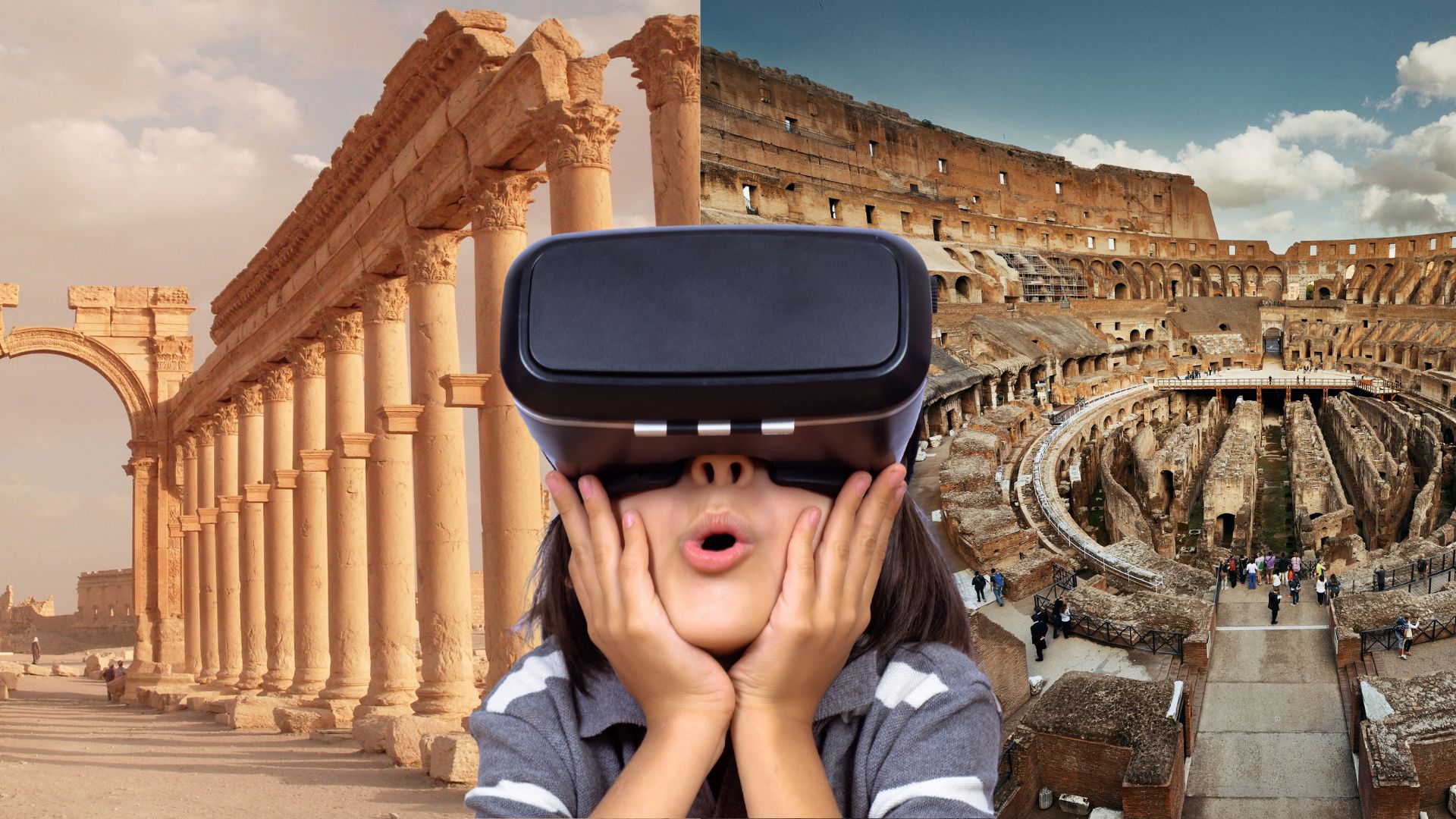
VR preview day trips are becoming increasingly viable, offering a unique opportunity to "test drive’ your future vacation. It"s not about replacing the real experience, but enhancing it. By exploring Rome virtually now, you can identify hidden gems, map out efficient routes, and avoid the disappointment of crowded tourist traps. The technology is becoming more accessible too; what was once a niche hobby is now entering the mainstream.
The cost of VR headsets is coming down, and the quality is going up. This makes it a practical tool for serious travel planning. Think of it as research – but instead of reading about a place, you’re in it. This early exploration can save you time, money, and frustration, ensuring your 2026 Roman holiday is everything you hope for. Plus, you’ll arrive feeling like a local, already familiar with the city’s layout and character.
Finding the quiet corners
Rome is famous for its iconic landmarks – the Colosseum, the Vatican, the Trevi Fountain – but the true magic often lies in its lesser-known corners. These are the places that VR can really unlock, offering immersive experiences far removed from the bustling crowds. The Aventine Hill Keyhole, for example, provides a perfectly framed view of St. Peter’s Basilica, a secret known mostly to locals and those in the know.
The Aventine Hill’s Orange Garden (Giardino degli Aranci) is another gem. Imagine wandering through fragrant orange groves with panoramic views of the city, all from the comfort of your living room. Then there’s the Non-Catholic Cemetery for Foreigners, the final resting place of poets Keats and Shelley. It’s a peaceful, atmospheric space that feels worlds away from the city’s energy. A VR visit allows you to appreciate its solemn beauty without the distraction of other tourists.
Don't overlook Quartiere Coppedè, a whimsical neighborhood with Art Nouveau architecture that feels plucked from a fairytale. It’s a photographer’s dream, and a VR exploration allows you to examine the intricate details of the buildings at your own pace. These spots aren't just "off the beaten path’ – they offer a different feeling of Rome, one that’s more authentic and intimate. They’re the places where you’ll truly connect with the city"s soul.
The right gear for the job
The good news is you don’t need a supercomputer to experience VR Rome. The range of available hardware is surprisingly broad. At the higher end, PCVR systems – requiring a powerful gaming PC and a headset like the Valve Index or HTC Vive Pro 2 – offer the highest fidelity and performance. However, they come with a significant cost and setup complexity.
The Meta Quest 3 is the easiest entry point. It doesn't need a computer or cables, and the lenses are sharp enough to read street signs in high-resolution 360-degree videos. The older Quest 2 is cheaper, but the image is blurrier, which makes scouting small architectural details harder.
Mobile VR – using a smartphone and a basic headset like Google Cardboard – is the most affordable entry point, but the experience is significantly less immersive. While it’s a good way to sample VR, it’s not ideal for detailed exploration. Haptic feedback suits and gloves are also emerging, promising to add a sense of touch to the experience, but these remain expensive and are not essential for VR travel planning.
Current VR Rome Experiences
While a fully-fledged, comprehensive VR Rome experience doesn’t yet exist, several options offer a taste of what’s possible. YouTube is a great starting point. Channels like TechTalkCentral have videos showcasing 'Virtual Reality Travel: Explore the World from Home!' (as of October 26, 2023), providing 360° tours of various Roman landmarks. The quality varies, but it’s a free and accessible way to get your feet wet.
The Adventure Continues (adventurecontinues.org) is a platform focused on VR experiences, and they’ve featured explorations using Oculus headsets. The experiences available through this platform can range from simple 360° videos to more interactive environments. However, it's important to manage expectations; many of these experiences are relatively basic.
Dedicated VR travel apps are beginning to emerge, but their coverage of Rome is currently limited. The Integrated VR Travel Booking System described on Scribd (scribd.com) details a concept for a more holistic system, but it's still in the development stage. Currently, the best approach is to combine resources – YouTube videos for broad overviews, The Adventure Continues for curated experiences, and potentially exploring independent VR creations available on platforms like SideQuest.
- TechTalkCentral's 360-degree Roman tours on YouTube
- The Adventure Continues (adventurecontinues.org)
- Integrated VR Travel Booking System (scribd.com)
VR Rome Experiences
- Within - Rome: Colosseum. Explore a photorealistic recreation of the Colosseum, allowing you to step back in time and witness the grandeur of this ancient amphitheater. Immersion Score: ★★★
- BRINK Traveler - Rome. This experience offers a guided virtual tour of Rome, focusing on historical landmarks and providing informative narration. Immersion Score: ★★★★
- Alcove - Rome. Alcove provides a social VR experience where you can explore Rome with friends or family, guided by a virtual tour guide. Immersion Score: ★★★☆
- Wander - Rome. Wander allows users to virtually walk through Rome using Street View-like imagery, offering a sense of presence and exploration. Immersion Score: ★★☆
- Google Earth VR - Rome Landmarks. Utilize Google Earth VR to fly around and explore 3D representations of Rome’s iconic landmarks, like the Pantheon and Roman Forum. Immersion Score: ★★★
- Nefertari Heritage Publishing - Digital Egypt & Rome. While focused on Egypt, this package also includes detailed 3D models of Roman sites, offering a unique perspective on the empire’s reach. Immersion Score: ★★★
- TimeLooper - Rome: Ancient City. TimeLooper offers immersive VR tours that transport you back in time to experience Rome as it was in antiquity, with reconstructions of ancient streets and buildings. Immersion Score: ★★★★
Building Your VR Itinerary
The real power of VR travel planning lies in its ability to help you create a personalized itinerary. Start by exploring areas of Rome that interest you in VR. Identify points of interest – a hidden courtyard, a charming café, a lesser-known museum – that you might otherwise miss. Then, use a mapping tool to plot a walking route that connects these locations.
The benefit of "pre-visiting’ these spots is that you can get a sense of their scale and layout. Is that piazza as spacious as it looks in photos? Is that alleyway as narrow as it seems? This can help you avoid wasting time on locations that don"t appeal to you. You can also use VR to assess the accessibility of different areas, which is particularly important if you have mobility concerns.
Once you have a preliminary itinerary, refine it based on real-world logistics. Check opening hours, transportation options, and potential crowds. VR can’t simulate these factors perfectly, but it can give you a valuable head start. By combining virtual exploration with practical planning, you can create a Rome itinerary that’s tailored to your interests and maximizes your time.
The reality of VR in 2026
Looking ahead to 2026, the potential for VR travel planning is immense. We can expect significant advancements in VR technology, including higher resolution displays, more realistic haptics, and improved tracking accuracy. This will create even more immersive and believable virtual experiences.
AI-powered virtual guides could become commonplace, offering personalized recommendations and answering your questions in real-time. Imagine having a virtual historian accompany you on a tour of the Roman Forum, providing insights and context as you explore. Interactive VR experiences could allow you to "meet" virtual locals and participate in simulated events, like a traditional Roman festival.
However, it’s important to remember that this is speculation. The pace of technological development is unpredictable. While we can anticipate improvements in VR technology, the extent to which these advancements will impact travel planning remains to be seen. The key will be integrating VR with other technologies, like augmented reality and location-based services, to create a seamless and informative travel experience.
Resources for VR Rome Exploration
Ready to start exploring Rome in VR? Here are a few resources to get you started. Adventures All Out (adventuresallout.com) provides day trip inspiration, which can be enhanced through virtual exploration. The TechTalkCentral YouTube video ('Virtual Reality Travel: Explore the World from Home!') offers a good overview of VR travel possibilities (youtube.com).
For curated VR experiences, check out The Adventure Continues (adventurecontinues.org). And to.com). These resources will provide a solid foundation for planning your virtual – and eventual real – Roman holiday.




No comments yet. Be the first to share your thoughts!