

Beyond Google Maps: AI Trip Planners Emerge
Planning day trips used to mean stacks of guidebooks and endless browser tabs, often feeling like more work than the trip itself. Inflexibility was the biggest frustration; a sudden downpour could ruin an outdoor itinerary, or a closed museum could leave a gaping hole in your day. Thankfully, things are changing.
AI-powered travel apps are now solving these problems. They learn your preferences, adapt to real-time conditions, and build personalized itineraries with minimal effort. They offer efficiency, discovery, and a spontaneity that traditional planning can't match.
This review examined AI-driven travel planning, consulting resources like Adventures All Out for trends, Outside Online for critical assessments of AI in travel, and technical documentation from Medium for technical insights. The focus is on apps for day trips from major cities, looking ahead to what will be available soon.
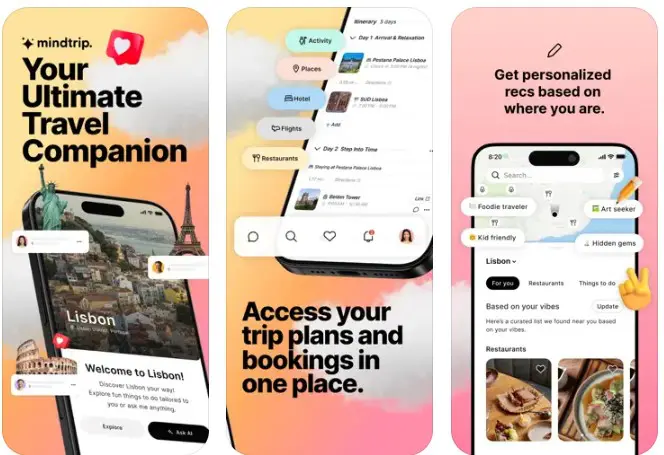
The 15 Best AI Day Trip Apps (2026)
The market for AI-powered day trip apps is rapidly evolving. Here’s a rundown of 15 of the best options available in 2026, each with its strengths and quirks.
1. TripIt: TripIt isn't new, but its 'Smart Suggestions' feature, powered by AI, is getting increasingly sophisticated. It consolidates all your travel plans and proactively offers recommendations for things to do based on your interests and location. It’s particularly good for business travelers who also want to explore on their downtime. Pricing: Free for basic features, Pro subscription for real-time alerts and advanced features.
2. Google Travel: Google’s travel suite is becoming a surprisingly powerful AI trip planner. It can suggest entire itineraries based on your destination and interests, including day trips. It draws on Google’s vast database of information and user reviews. It shines in cities with robust public transportation options. Pricing: Free.
3. Roadtrippers: Roadtrippers excels at route optimization, especially for road trips. The AI can identify unique attractions and scenic detours you might otherwise miss. It’s fantastic for exploring national parks and quirky roadside attractions. Pricing: Free for basic features, subscription for offline maps and ad-free experience.
4. Sygic Travel: Sygic Travel is a comprehensive itinerary planner with an AI that learns your preferences. It's strong on providing detailed information about points of interest, including historical context and user reviews. It’s excellent for exploring European cities. Pricing: Free for basic features, premium subscription for offline maps and detailed guides.
5. Wanderlog: Wanderlog is designed for collaborative trip planning. Its AI-powered travel assistant can help you brainstorm ideas, create itineraries, and manage your budget. It’s great for group trips where everyone wants a say. Pricing: Free for basic features, subscription for advanced collaboration tools.
6. Kayak: Kayak’s AI-powered day trip recommendations are integrated into its flight and hotel search. It can suggest nearby attractions and activities based on your travel dates and location. It’s a convenient option if you’re already using Kayak for booking travel. Pricing: Free.
7. GetYourGuide: This app specializes in tours and activities. Its AI matching algorithm suggests experiences based on your interests, budget, and travel style. It’s a good choice if you prefer guided tours over independent exploration. Pricing: Free.
8. Viator: Similar to GetYourGuide, Viator uses AI to suggest tours and activities. It’s owned by TripAdvisor, so it benefits from a large database of user reviews. It’s particularly strong in popular tourist destinations. Pricing: Free.
9. Citymapper: While not strictly a day trip app, Citymapper’s real-time transit data and route planning are invaluable for navigating unfamiliar cities. Its AI algorithms predict travel times and suggest the most efficient routes. Pricing: Free.
10. Rome2Rio: This app helps you find the best way to get from point A to point B, even if it involves multiple modes of transportation. Its AI considers factors like cost, time, and convenience. Pricing: Free.
11. AllTrails: If your day trips involve hiking, AllTrails is a must-have. Its AI-powered trail recommendations are based on your location, fitness level, and preferences. Pricing: Free for basic features, subscription for offline maps and premium trail guides.
12. Culture Trip: This app focuses on cultural experiences. Its AI suggests attractions, restaurants, and events based on your interests. Pricing: Free.
13. Inspirock: Inspirock creates personalized itineraries based on your interests and travel style. It’s a good option if you want a fully planned day trip with minimal effort. Pricing: Free for basic itineraries, subscription for customized plans.
14. Evaneos: Specializing in unique and authentic experiences, Evaneos uses AI to connect you with local travel experts who can create bespoke day trips. Pricing: Varies depending on the trip.
15. Here WeGo: Offers offline maps and navigation, with AI-powered route optimization, especially useful where data connectivity is spotty. Pricing: Free.
Essential Travel Gear to Enhance Your AI-Powered Day Trip Planning

10,000mAh capacity · PowerIQ charging technology · Compact and travel-ready
This power bank ensures your devices stay charged throughout your day trips, allowing uninterrupted use of AI-powered planning apps.

Dedicated laptop sleeve · Water bottle pockets · Versatile storage options
The Osprey Daylite Plus backpack keeps your essentials organized and accessible, making it easy to carry everything you need for a day of exploration.

Active noise cancellation · Bluetooth wireless connectivity · Comfortable over-ear design
These headphones provide an immersive audio experience and block out distractions, perfect for enjoying podcasts or music during your travels.

65W fast charging · 3-port USB-C design · Foldable plug for portability
This compact charger efficiently powers multiple devices simultaneously, ensuring all your tech is ready for your next adventure.
As an Amazon Associate I earn from qualifying purchases. Prices may vary.
AI's Role: How These Apps Actually Work
The magic behind these apps isn't just clever coding; it’s a combination of several AI technologies working together. Natural Language Processing (NLP) is key. It allows the apps to understand your preferences when you type in something like 'I like historical sites and good food.' Machine Learning (ML) algorithms then analyze this data, along with your past behavior, to predict what you’ll enjoy.
Route optimization algorithms, often powered by ML, are used to find the fastest and most efficient routes, taking into account real-time traffic conditions and potential delays. These apps also handle dynamic data – weather forecasts, museum closures, event schedules – and adjust your itinerary accordingly. The Medium article on AI Travel Planner details some of the technical implementation of these systems.
It's important to remember that these systems aren’t perfect. They rely on accurate data and can sometimes make unexpected suggestions. The quality of recommendations often depends on the amount of data the app has collected about you and the destination.
City-Specific Standouts
While many apps are generally good, some truly shine in specific cities. For Rome, Wanderlog’s detailed historical site recommendations and ability to create walking tours focused on specific eras are unparalleled. It feels like having a personal historian guiding you through the ancient city.
If you're near New York City, TripGo excels at integrating the city’s complex public transportation system. It’s the best app for navigating the subway and buses. In Seattle, Roadtrippers is a must for exploring the surrounding national parks and scenic drives along the coast – the AI quickly surfaces hidden gems.
For Paris, Sygic Travel provides an exceptionally detailed guide to museums and art galleries, with AI-powered recommendations based on your artistic tastes. And if you're in Tokyo, Google Travel's translation features and ability to navigate the city's intricate train network are invaluable.
Privacy & Data Concerns
Using AI-powered travel apps involves sharing personal data. These apps collect information about your location, travel preferences, and even social media activity to personalize recommendations. This data is valuable, but it raises privacy concerns. Understand how apps collect, use, and protect your information.
Review the app’s privacy policy carefully. Pay attention to what data is collected, how it’s used, and if it’s shared with third parties. Adjust your app permissions to limit access to sensitive information. Consider using a privacy-focused browser and VPN to protect your online activity.
Weigh the benefits of data sharing, like personalized recommendations and improved travel experiences, against the potential risks. You have the right to control your data and make informed decisions about its use.
Beyond 2026: What's Next for AI Travel?
The future of AI in travel planning is incredibly exciting. We can expect to see more integration with augmented reality (AR), allowing you to visualize destinations and attractions before you go. Personalized travel companions, powered by AI, could provide real-time assistance and recommendations throughout your trip.
Seamless integration with other travel services, such as flight and hotel booking, will become the norm. AI could also play a role in addressing sustainable tourism challenges, suggesting eco-friendly transportation options and promoting responsible travel practices.
Ultimately, AI has the potential to transform the way we travel, making it more personalized, efficient, and enjoyable. The apps of 2026 are just the beginning.
Choosing the Right App For You
With so many options available, choosing the right AI-powered day trip app can feel overwhelming. Start by considering your budget. Are you willing to pay for a subscription, or do you prefer a free app with limited features? Next, think about your travel style. Are you an adventurous explorer, a relaxation seeker, or a cultural enthusiast?
How tech-savvy are you? Some apps are more user-friendly than others. Do you prefer a simple, intuitive interface, or are you comfortable with more complex features? Finally, consider your preferred level of customization. Do you want an app that plans everything for you, or do you prefer to have more control over your itinerary?
If you’re on a tight budget and prefer a simple experience, Google Travel is a good starting point. For adventurous travelers who love road trips, Roadtrippers is a great choice. And if you’re looking for a fully personalized itinerary, Inspirock might be the best option for you.
AI-Powered Day Trip App Comparison - 2026
| App Focus | Budget | Tech Skill | Customization |
|---|---|---|---|
| TripIt (with AI-powered Smart Suggestions) | Budget-Friendly | Low | Limited |
| Google Travel (AI trip planning features) | Budget-Friendly | Low | Medium |
| Roadtrippers (AI route optimization) | Medium | Medium | Highly Customizable |
| Sygic Travel (AI itinerary planner) | Medium | Medium | Medium |
| Wanderlog (AI travel assistant) | Medium | Medium | Highly Customizable |
| Kayak (AI-powered day trip recommendations) | Budget-Friendly | Low | Limited |
| GetYourGuide (AI experience matching) | Medium | Low | Medium |
| Viator (AI tour suggestions) | Medium | Low | Medium |
Illustrative comparison based on the article research brief. Verify current pricing, limits, and product details in the official docs before relying on it.



No comments yet. Be the first to share your thoughts!