

How travel advisories work now
The world of travel advisories is constantly in flux. What felt risky in 2023 might be manageable in 2026, and vice versa. The U.S. Department of State (travel.state.gov) provides regularly updated advisories, and it’s the first place anyone planning international travel should check. The situation has certainly evolved since the height of the pandemic, but caution remains a necessary companion for any journey.
The State Department uses a tiered system to categorize risk: Level 1 (Exercise Normal Precautions), Level 2 (Exercise Increased Caution), Level 3 (Reconsider Travel), and Level 4 (Do Not Travel). Albania, for example, is currently at Level 2 as of late 2023, advising increased caution due to potential risks. These levels aren't static; they can change quickly based on political instability, health concerns, or security threats.
A Level 1 advisory isn't a guarantee. Risk is part of travel. I look at these levels as a baseline for making a choice, rather than a final word on safety.

Health checks and paperwork
Before you even think about packing your bags, a thorough health check is essential. Start by consulting the Centers for Disease Control and Prevention (CDC) and the World Health Organization (WHO) websites for specific recommendations related to your destination. These organizations provide up-to-date information on required or recommended vaccinations, potential health risks, and any necessary preventative measures.
Ensure your routine vaccinations are current – this includes COVID-19 boosters, influenza shots, and any other vaccines recommended by your healthcare provider. Depending on your destination, you might need to provide proof of vaccination or a negative COVID-19 test. It’s the traveler’s responsibility to research and comply with these requirements. Don’t assume things will be the same as they were on your last trip.
Consider enrolling in the Smart Traveler Enrollment Program (STEP) through USAGov (usa.gov). STEP allows the State Department to contact you in case of an emergency, such as a natural disaster or political unrest. It also helps them locate you if you need assistance. While it’s not a substitute for travel insurance, it’s a valuable tool for staying connected and informed.
- Check CDC and WHO guidelines for your destination.
- Update vaccinations (COVID-19, flu, etc.).
- Understand testing/documentation requirements.
- Register with STEP through USAGov.
On-the-Ground Precautions: Transportation
Your journey begins before you even reach your destination, so prioritizing safety during transportation is key. When flying, trains, or taking buses, pay attention to ventilation systems. While many transport operators have improved filtration, it's still wise to wear a high-quality mask (N95 or KN95) in crowded environments. Sanitizing your immediate surroundings – tray tables, armrests – is also a good practice.
Long-haul flights present a unique set of risks due to prolonged exposure in a confined space. Staying hydrated, moving around periodically, and avoiding close contact with visibly ill passengers can help minimize your risk. Consider the potential for delays and disruptions, and pack accordingly with extra medication and essential supplies.
When using taxis or apps, I always share my ride status with someone else. If a car looks poorly maintained, I don't get in. While the long-term impact of better air filtration in vehicles is still debated, it's better than nothing.
Accommodation & Activity Safety
Choosing the right accommodation can significantly impact your travel safety. Look for hotels and rentals that have implemented enhanced cleaning protocols and demonstrate a commitment to hygiene. Read reviews from other travelers to get an idea of their experiences. If you have concerns, don't hesitate to contact the accommodation directly to ask about their safety measures.
When in public areas, be mindful of social distancing and avoid crowded spaces whenever possible. Assess the safety of tours and excursions before booking. Research the tour operator's reputation, check their safety record, and ensure they have appropriate insurance coverage. Avoid tours that seem overly risky or poorly organized.
Comprehensive travel insurance is no longer a luxury, but a necessity. Ensure your policy covers medical expenses, trip cancellations, and potential disruptions. Read the fine print carefully to understand what is and isn't covered. It’s also wise to have a plan for accessing medical care in case of an emergency. Knowing where the nearest hospital or clinic is located can be invaluable.
- Choose accommodations with enhanced cleaning protocols.
- Research tour operators thoroughly.
- Invest in comprehensive travel insurance.
Essential Travel Health Kits for 2026
A well-stocked travel health kit is your first line of defense against minor ailments and unexpected emergencies. Beyond the basics like band-aids, antiseptic wipes, and pain relievers, prioritize preventative measures. High-quality masks (N95 or KN95) are still a smart addition, even if mask mandates have been lifted.
Hand sanitizer with at least 60% alcohol is essential for maintaining hand hygiene when soap and water aren't readily available. Include a fever reducer, diarrhea medication, and any personal prescription medications you require, along with a copy of your prescriptions. Don’t forget allergy medication if you’re prone to seasonal allergies.
A small first-aid guide can be surprisingly helpful in providing basic medical advice. Consider including electrolyte tablets to prevent dehydration, especially in hot climates. Remember to pack any necessary adaptors for charging your electronic devices, and a portable power bank can be a lifesaver.
- N95 or KN95 masks
- Hand sanitizer (60% alcohol)
- Fever reducer
- Diarrhea medication
- Personal prescriptions
- First-aid guide
- Electrolyte tablets
Featured Products

Designed for up to 2 people for up to 2 days · Includes bandages, blister essentials, and more · Waterproof and lightweight design
This ultralight and watertight kit is ideal for hikers and bikers, providing essential medical supplies for short excursions.

All-purpose first aid tin · Compact and portable
A classic and reliable option, this tin offers basic first aid supplies for minor injuries encountered on day trips.
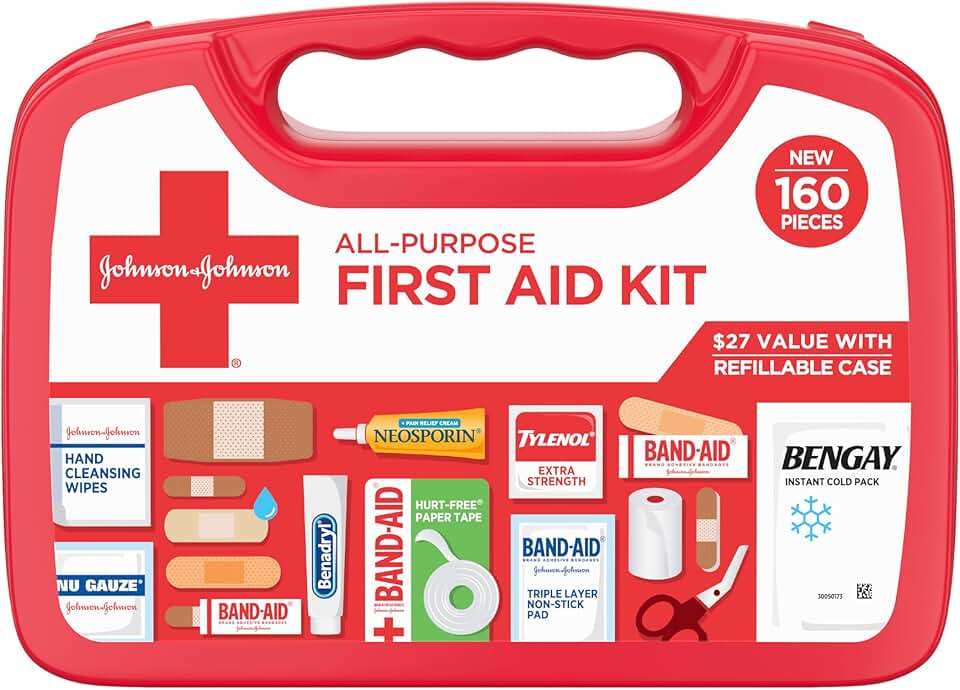
160-piece kit for minor cuts, scrapes, sprains, and burns · Suitable for home, car, travel, camping, and outdoor emergencies
This comprehensive kit is well-equipped to handle a variety of common minor injuries, making it a versatile choice for any outing.
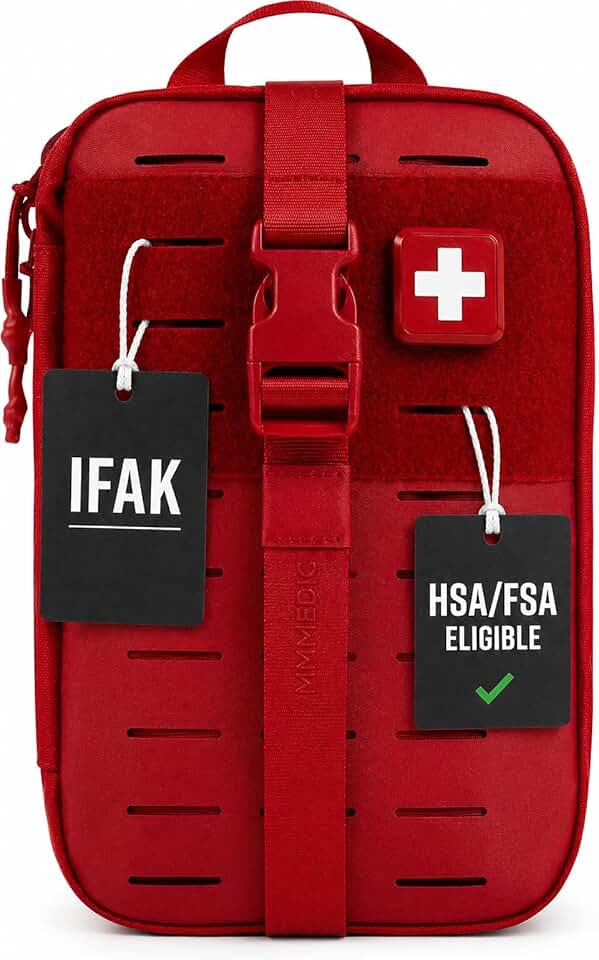
Standard IFAK (Individual First Aid Kit) · HSA/FSA eligible and built in the USA · Includes medical supplies and first aid essentials for emergency preparedness
For those seeking a more robust medical kit, this IFAK offers extensive supplies for family emergency preparedness and is HSA/FSA eligible.

200-piece medium first aid kit · Includes a bonus mini kit for medical emergencies · Suitable for car, travel, home, businesses, camping, and survival
This kit offers a broad range of supplies and includes a bonus mini kit, providing excellent value and preparedness for various scenarios.
As an Amazon Associate I earn from qualifying purchases. Prices may vary.
Dealing with rule changes
Even as we look towards 2026, it’s likely that travel regulations will continue to evolve. New variants, outbreaks, or geopolitical events could trigger changes in testing requirements, quarantine protocols, or entry restrictions. Staying informed is paramount.
Regularly check the CDC (wwwnc.cdc.gov/travel), WHO, and travel.state.gov websites for the latest updates. Sign up for email alerts or follow these organizations on social media to receive timely notifications. Be prepared to adapt your plans if necessary, and allow for extra time in case of unexpected delays.
Flexibility is key. Booking flights and accommodations with flexible cancellation policies can provide peace of mind. It’s also a good idea to have a backup plan in case your original itinerary is disrupted. While things are improving, some level of caution will likely remain necessary.
Resources for Real-Time Updates
Check these sites before you book and again before you leave.
Centers for Disease Control and Prevention (CDC): wwwnc.cdc.gov/travel – Provides information on health risks, vaccinations, and travel notices.
World Health Organization (WHO): www.who.int – Offers global health updates and recommendations.
U.S. Department of State: travel.state.gov – Provides travel advisories, alerts, and information on U.S. embassies and consulates.
- The CDC travel page for health notices and vaccine requirements.
- WHO: www.who.int
- U.S. Department of State: travel.state.gov

Anker Power Bank(PowerCore 10K), Compact Travel-Ready 10,000mAh Battery Pack with PowerIQ Charging Technology, 5V/3A High-Speed Charging for iPhone, iPad,and More (1, Black) ClimatePartner certified
- 10,000mAh capacity
- PowerIQ Charging Technology
- Compact and travel-ready design
- ClimatePartner certified
Ensure your essential devices stay powered for navigation and communication on day trips with the Anker PowerCore 10K. This compact, high-capacity power bank offers fast charging to keep you connected and safe throughout your travels.
View on Amazon →As an Amazon Associate I earn from qualifying purchases.
Comparative Usefulness of Travel Health Resources
| Resource | Update Frequency | Specificity to Day Trips | Ease of Use | Reliability |
|---|---|---|---|---|
| CDC (Centers for Disease Control and Prevention) | High | Medium | Medium | High |
| WHO (World Health Organization) | High | Medium | Medium | High |
| Travel.State.Gov (U.S. Department of State) | Medium | Medium | Medium | High |
| Local Health Authorities (Destination) | Variable | High | Low | Medium |
| European Centre for Disease Prevention and Control (ECDC) | High | Medium | Medium | High |
| National Health Service (NHS - UK) | High | Medium | Medium | High |
Illustrative comparison based on the article research brief. Verify current pricing, limits, and product details in the official docs before relying on it.




No comments yet. Be the first to share your thoughts!