

Moving beyond carbon offsets
For a long time, "sustainable travel’ meant offsetting your carbon emissions. That"s a start, certainly, but it feels increasingly… incomplete. By 2026, the conversation is shifting. Travelers are realizing that true sustainability goes far beyond simply neutralizing impact. It's about actively reducing impact, and that means considering the entire journey – from how you get there to how you spend your money.
We’re seeing a growing demand for experiences that benefit local communities, protect biodiversity, and minimize waste. It's not just about ticking off sights; it’s about contributing positively to the places we visit. This isn't a fleeting trend either; predictions indicate the demand for sustainable options will continue to accelerate, driven by a more conscious generation of travelers.
Choosing a sustainable day trip isn't about deprivation, it’s about making informed decisions. It’s about recognizing that our choices have consequences, and that we have the power to make those consequences positive. It’s about prioritizing experiences that align with our values and leave a place better than we found it. We'll look at options from NYC, Rome, and Seattle that put these principles into practice.
New York trips by rail and river
New York City is uniquely positioned for low-impact day trips. The region’s extensive public transportation network – trains and buses – significantly reduces the need for car travel. Choosing these options is a major step towards a more sustainable excursion. Plus, many incredible destinations are easily accessible without a long journey.
Breakneck Ridge is a popular choice, accessible via Metro-North Railroad. The hike itself is challenging, but the train ride offers scenic views and avoids highway congestion. The carbon footprint is relatively low, especially compared to driving. Support local businesses in Beacon, the town at the base of the ridge, by grabbing a post-hike meal. Storm King Art Center, also reachable by train and bus, combines art and nature beautifully.
Cold Spring provides a charming escape along the Hudson River. The train journey is pleasant, and the town itself is walkable, encouraging exploration without a vehicle. You can support local antique shops and restaurants, contributing directly to the town’s economy. Governors Island is car-free, accessible by ferry, and offers green spaces, art installations, and stunning city views.
For those who enjoy cycling, a trip along the Hudson River Greenway is a fantastic option. Rent a bike and explore the waterfront, enjoying the scenery and fresh air. Consider stopping at local cafes and parks along the way. A less-known gem is Minnewaska State Park Preserve reachable via bus and train with some planning. It's a bit further out but rewards with incredible waterfalls and hiking trails.
When planning, check the Metro-North and NJ Transit websites for schedules and real-time updates. Look for businesses that prioritize sustainability – those using local ingredients, reducing waste, or supporting environmental initiatives. Remember, even small choices can make a difference.
Rome by train and bike
Rome presents a unique challenge for sustainable tourism. The city is steeped in history, and many ancient sites are fragile and require careful preservation. Balancing the need to protect these cultural treasures with the desire to experience them is key. Fortunately, Rome’s public transportation system, while sometimes crowded, provides a viable alternative to private cars.
Ostia Antica, the ancient port of Rome, is easily accessible by train. Exploring the ruins on foot allows you to immerse yourself in history without contributing to air pollution. It’s a far more peaceful experience than the bustling city center. Tivoli, reachable by bus, is home to the stunning Villa d'Este and Hadrian's Villa, offering both architectural marvels and beautiful gardens.
The Appian Way Regional Park is ideal for cycling or walking. Take a bus to the park entrance and rent a bike to explore the ancient Roman road and surrounding countryside. This is a great way to escape the city and connect with nature. The Castelli Romani – the towns surrounding Rome’s volcanic lakes – are accessible by train and bus. Explore charming villages, sample local wines, and enjoy the scenic views.
Consider joining a guided foraging tour in the Roman countryside. These tours often support local farmers and promote sustainable food practices. Look for tour operators committed to responsible tourism and who prioritize minimizing their environmental impact. Several companies now offer small-group tours focused on eco-friendly practices.
Stick to the marked paths at Ostia Antica. The salt air does enough damage to the mosaics without us stepping on them. When you head back to the city, skip the tourist menus near the Colosseum and find a trattoria in Testaccio where the money stays in the neighborhood.
Rome Day Trip Sustainability Comparison - 2026
| Destination | Public Transport Accessibility | Local Business Support Opportunities | Potential for Crowding | Overall Environmental Impact |
|---|---|---|---|---|
| Ostia Antica | High - Direct train line from Rome | Good - Numerous locally owned restaurants and shops near the archaeological site. | Medium - Popular, but spread out; crowding concentrated around main entrances. | Low - Relatively close proximity to Rome; encourages rail travel. |
| Tivoli (Villa d'Este & Hadrian's Villa) | Medium - Bus connections available, but can be infrequent. | Moderate - Opportunities to support local artisans and restaurants in Tivoli town. | High - Both sites are very popular, especially during peak season. | Medium - Requires travel outside Rome; bus travel has a higher impact than rail. |
| Castel Gandolfo & Lake Albano | Medium - Train to Albano Laziale, then bus or walk. | Good - Several family-run trattorias and local produce markets. | Medium - Popular with Roman residents, can get crowded on weekends. | Low-Medium - Relatively short distance; encourages a mix of rail and walking. |
| Bracciano & Lake Bracciano | Medium - Train to Bracciano station. | Moderate - Some local restaurants and agriturismos around the lake. | Low-Medium - Less visited by international tourists than other destinations. | Medium - Requires train travel; lake activities may have localized impact. |
| Frascati (Wine Region) | Medium - Train connections available. | High - Numerous vineyards offering direct sales and tastings, supporting local producers. | Medium - Popular for weekend day trips from Rome. | Medium - Travel distance and potential for car use to explore vineyards contribute to impact. |
Illustrative comparison based on the article research brief. Verify current pricing, limits, and product details in the official docs before relying on it.
Seattle & the Sound: Nature at Your Doorstep
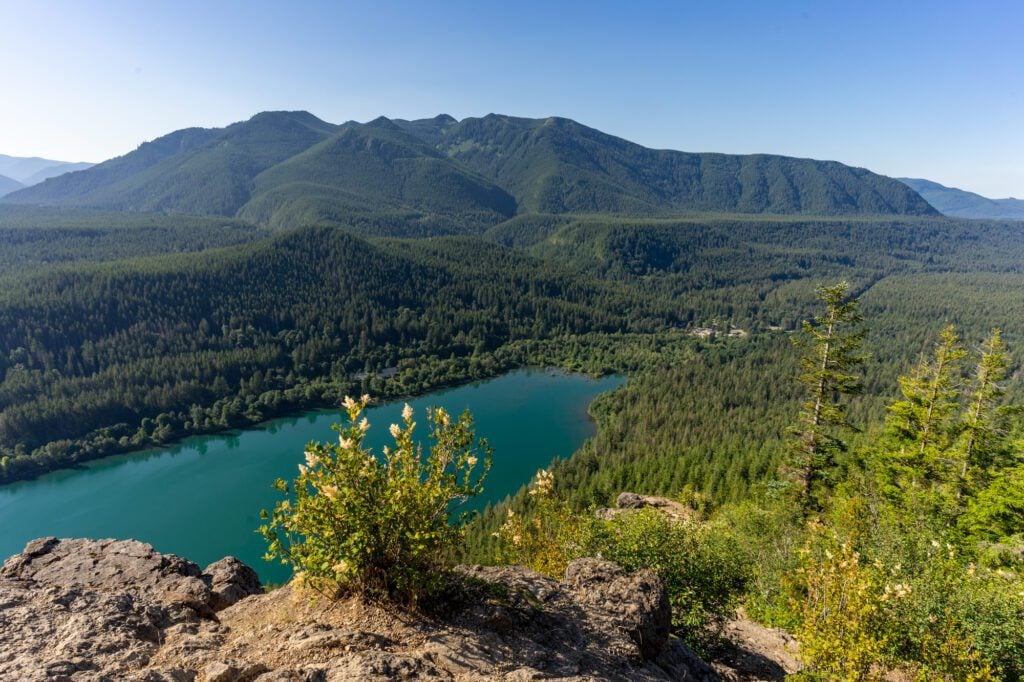
Seattle’s location on Puget Sound and its proximity to mountains and forests make it a paradise for nature lovers. Sustainable day trips from Seattle often involve ferry travel, hiking, and responsible exploration of the marine environment. The emphasis is on respecting the delicate ecosystems and minimizing disturbance.
Bainbridge Island is a quick ferry ride from downtown Seattle. Explore the island’s hiking trails, art galleries, and charming shops. The ferry itself is a relatively low-impact mode of transportation. Olympic National Park, while a bit further afield, is accessible by a combination of ferry, bus, and carpool. The park’s diverse ecosystems – from rainforests to mountains to coastline – offer endless opportunities for exploration.
Vashon Island, also accessible by ferry, offers a more rural and relaxed experience. Explore the island’s beaches, farms, and local businesses. Snoqualmie Falls is easily accessible by bus, providing a stunning view of the iconic waterfall. Be mindful of the crowds and respect the natural environment. A responsible whale watching tour is a fantastic way to experience the Puget Sound’s marine wildlife.
When choosing a whale watching tour, prioritize operators who follow responsible viewing guidelines. Look for companies that maintain a safe distance from the whales, minimize noise pollution, and educate passengers about marine conservation. Remember to pack out everything you pack in, and leave no trace of your visit. Respect the wildlife and their habitat.
Embrace the Leave No Trace principles: plan ahead and prepare, travel and camp on durable surfaces, dispose of waste properly, leave what you find, minimize campfire impacts, respect wildlife, and be considerate of other visitors.
Transportation Tactics: Minimizing Your Travel Impact
The biggest contributor to the carbon footprint of a day trip is often transportation. Choosing wisely is critical. Trains generally have a significantly lower carbon footprint than buses, which in turn are better than cars. Planes, even for short hops, are the least sustainable option. Consider the entire journey, including getting to and from stations or trailheads.
While carbon offsetting programs exist, they are not a perfect solution. Some programs are more effective than others, and there’s always a debate about their overall impact. It’s better to reduce your emissions in the first place than to rely on offsetting. Carpooling is a good compromise if driving is unavoidable. Bike rentals are an excellent option for exploring urban areas and scenic routes.
Resources like the EPA’s greenhouse gas equivalencies calculator (epa.gov/ghg-equivalencies-calculator) can help you estimate the carbon footprint of different modes of transportation. Websites like Rome2Rio (rome2rio.com) can help you compare transportation options and estimate travel times and costs. Be honest with yourself about the impact of your choices.
Even "green’ choices have some impact. A train still requires energy to run. The goal isn’t to achieve zero impact, but to minimize it as much as possible. Prioritize public transport, walking, and cycling whenever feasible. And remember, the most sustainable trip is often the one you don"t take – consider exploring local attractions closer to home.
Supporting Local: The Economic Ripple Effect
Sustainable tourism isn’t just about the environment; it’s also about supporting the communities you visit. When you spend your money at locally owned businesses, you’re directly contributing to the local economy. This helps create jobs, preserve culture, and reduce the environmental impact of long-distance transportation of goods.
Look beyond the typical tourist traps. Visit farmers markets, independent shops, and family-run restaurants. Choose eco-tours operated by local guides. Seek out authentic experiences that allow you to connect with the local culture. Buying a locally made souvenir is far more impactful than purchasing a mass-produced item.
It's about more than just buying things. It's about engaging with the community, respecting local customs, and learning about the history and traditions of the place you're visiting. Ask locals for recommendations, participate in local events, and be a responsible and respectful guest.




No comments yet. Be the first to share your thoughts!