

Beyond the Postcard: Sustainable Travel in 2026
Travel can broaden our perspectives and connect us to different cultures, but tourism's impact is undeniable. We need to consider how we see places and the effect our presence has on the environment and local communities. This awareness is driving a shift towards climate-conscious travel.
Responsible travel isn't about sacrificing enjoyment. It's about making informed choices that enhance the experience for everyone, including future generations. It's about supporting businesses with ethical practices, minimizing our environmental footprint, and respecting the cultures we visit. We're seeing a move away from mass tourism towards more meaningful and sustainable experiences.
Day trips offer a great opportunity to embrace this approach. Shorter distances mean lower transportation emissions, and they allow us to support local economies without the intensive infrastructure demands of longer vacations. This article explores 20 sustainable adventures from New York City, Rome, and Seattle, proving that exploring the world doesn't have to cost the planet.

NYC’s Green Getaways: Five Day Trips
New York City is a great base for exploring varied landscapes. Several destinations are easily accessible via public transportation, making sustainable day trips simple. Reducing reliance on cars is a win, and the Metro-North Railroad, Amtrak, and various bus lines offer convenient options.
First, consider Cold Spring, New York. A quick train ride up the Hudson Line delivers you to a charming village with antique shops, hiking trails, and great views. Support local businesses by grabbing lunch at one of the town’s cafes and exploring Breakneck Ridge (for experienced hikers!). Beacon, New York is also accessible via Metro-North. It's home to Dia Beacon, an art museum housed in a former Nabisco box printing factory, and a walkable Main Street with independent shops.
For art lovers, Storm King Art Center in New Windsor, NY, is a must-see. Getting there requires planning (consider a bus and taxi combination), but the sculpture park is worth the effort. If you're looking for history, Philadelphia, Pennsylvania, is reachable by Amtrak. Explore Independence Hall, the Liberty Bell, and the city’s culinary scene, prioritizing restaurants that source local ingredients.
Finally, escape the city bustle at the Delaware Water Gap National Recreation Area. Buses run to various points within the park, offering opportunities for hiking, kayaking, and enjoying the natural beauty of the Appalachian Mountains. Pack out everything you pack in and stick to marked trails to minimize your impact. These trips show that you don't need to go far to find rewarding, responsible adventures.
Rome’s Sustainable Side: Five Excursions
Sustainable tourism in Rome presents challenges. Protecting ancient sites while accommodating millions of visitors requires careful planning and responsible practices. It's easy to get caught up in the tourist trail, but venturing off the beaten path reveals a more authentic and sustainable side of the region.
The Castelli Romani (Roman Castles) offer an escape to the Alban Hills. Reachable by bus, this area is known for its towns, vineyards, and traditional cuisine. Supporting local producers by purchasing wine and cheese directly from the source contributes to the local economy. Similarly, Ostia Antica, the ancient port of Rome, is accessible by train. Exploring these ruins provides a glimpse into the past while avoiding the crowds of the city center.
Bracciano, with its lake and medieval castle, is another option. A train ride will get you there, and you can explore the town on foot or rent a bicycle. For a more active adventure, consider a guided cycling tour of the Appian Way, an ancient Roman road. Several companies offer eco-friendly tours that minimize environmental impact and provide commentary.
Tivoli, home to the Villa d'Este gardens and Hadrian’s Villa, is also accessible by train or bus. While the sites attract visitors, choosing to dine at a local trattoria rather than a tourist-focused restaurant can make a difference. Even "sustainable" tourism has an impact, so being mindful of your consumption and waste is important.
Seattle’s Eco-Adventures: Five Escapes
Seattle’s location in the Pacific Northwest makes it a starting point for exploring natural landscapes in the United States. The region’s commitment to sustainability is reflected in the growing number of eco-friendly tour operators and responsible travel initiatives. Transportation is a consideration, with ferries, trains, and carpooling being preferred options.
A ferry trip to Bainbridge Island is a Seattle day trip. Enjoy views of the city skyline and explore the island’s towns, art galleries, and hiking trails. Olympic National Park is further afield, but accessible by a combination of train and bus. This park has rainforests, mountains, and coastline, offering opportunities for outdoor adventures.
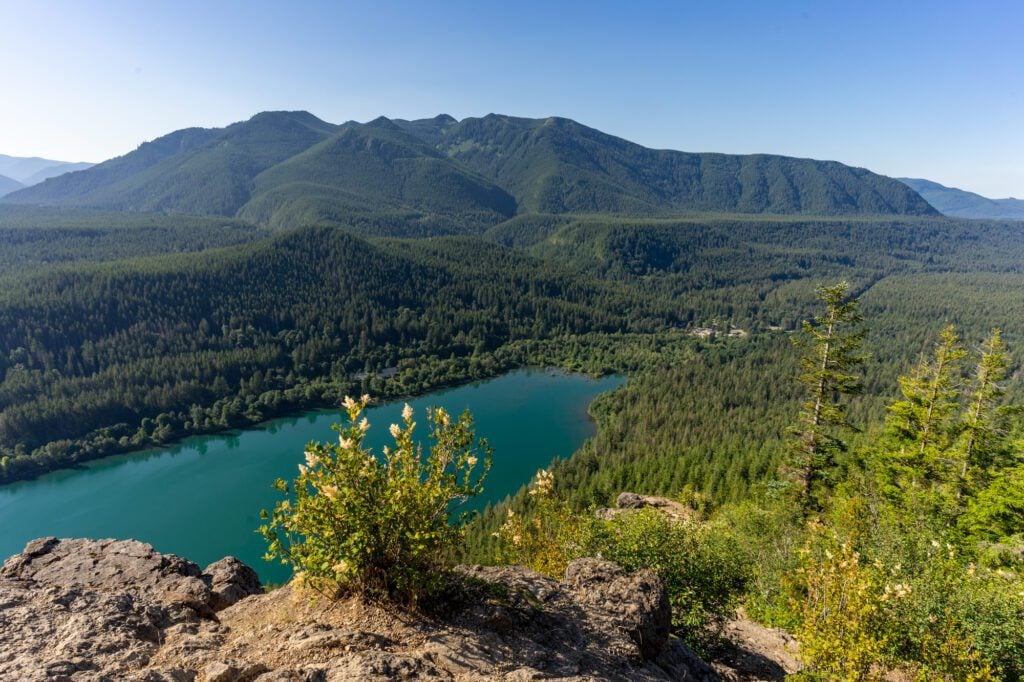
Mount Rainier National Park is another destination, also reachable by bus. Check trail conditions and pack appropriately for the weather. The San Juan Islands are best explored by ferry, allowing you to hop between islands and enjoy wildlife viewing opportunities (look for orcas!). Supporting local businesses and respecting the marine environment are essential when visiting the islands.
For a cultural experience, head to Leavenworth, a Bavarian-themed village in the Cascade Mountains. While driving is the most common option, carpooling can help reduce your carbon footprint. More Indigenous-led tours are becoming available in the region, offering a deeper understanding of the land and its history. These adventures show the natural beauty and sustainable spirit of the Pacific Northwest.
Measuring Your Trip’s Impact
Determining a trip's sustainability can be complex. It's not just about carbon emissions; it's about the social and economic impact on local communities. While a "zero-impact" trip is likely impossible, striving for awareness and making informed choices is a start.
Several carbon footprint calculators are available online, such as those offered by Terrapass and Carbon Footprint Ltd. These tools can help you estimate the emissions associated with your transportation and activities. Look for certifications like B Corp, which indicate that a company meets high standards of social and environmental performance. When choosing tour operators, ask about their sustainability practices – do they support local communities? Do they minimize waste? Do they prioritize environmental conservation?
It's easy to feel overwhelmed by the details, and not everyone will have the time or resources to calculate every aspect of their trip. Simply being mindful of your consumption, choosing public transportation when possible, and supporting local businesses can make a difference. Progress,
Sustainable Travel Tools & Resources
Fortunately, a growing number of resources are available to help travelers plan more sustainable adventures. These tools can assist with finding eco-friendly accommodations, booking responsible tours, and offsetting carbon emissions.
Bookdifferent (bookdifferent.com) is a platform that highlights hotels with verified sustainability certifications. Responsible Travel (responsibletravel.com) offers a curated selection of tours and accommodations that prioritize ethical and environmental practices. For carbon offsetting, Gold Standard (goldstandard.org) is a reputable organization that invests in projects that reduce greenhouse gas emissions.
The Leave No Trace Center for Outdoor Ethics (lnt.org) provides resources and education on minimizing your impact when exploring the outdoors. Additionally, many tourism boards are now promoting sustainable travel initiatives on their websites. Researching these resources before your trip can help you make informed choices and support businesses that are committed to responsible tourism.
Carbon Offset Program Comparison (2026)
| Program Name | Cost (per tonne CO2e) | Transparency | Project Types | Certification Standards |
|---|---|---|---|---|
| Gold Standard | Varies significantly based on project – typically $5 - $25+ | High. Detailed project information and impact reporting publicly available. | Reforestation, Renewable Energy, Community-based projects, Afforestation | Gold Standard |
| Verra (Verified Carbon Standard) | Generally $2 - $15+ per tonne CO2e, dependent on project. | Moderate to High. Project documentation available, but detail can vary. | Reforestation, Renewable Energy, Improved Forest Management, Methane Capture | Verified Carbon Standard (VCS) |
| ClimatePartner | Reported range of $8 - $30+ per tonne CO2e | Moderate. Offers project details and impact assessments. | Renewable Energy, Reforestation, Energy Efficiency | Gold Standard, Verified Carbon Standard, Plan Vivo |
| South Pole | Price varies widely, estimated $5 - $50+ per tonne CO2e | High. Comprehensive project information and impact reports. | Reforestation, Renewable Energy, Community Projects, Blue Carbon | Gold Standard, Verified Carbon Standard |
| Cool Effect | Around $15 - $45+ per tonne CO2e | Moderate. Focuses on high-quality, verified projects with clear impact stories. | Reforestation, Renewable Energy, Forest Conservation | Gold Standard, Verified Carbon Standard |
| NativeEnergy | Approximately $10 - $20+ per tonne CO2e | Moderate to High. Strong emphasis on additionality and community benefits. | Renewable Energy, Methane Capture, Forestry | Gold Standard, VCS, American Carbon Registry |
Illustrative comparison based on the article research brief. Verify current pricing, limits, and product details in the official docs before relying on it.
Standout Adventures: A Deeper Dive
From the options presented, three day trips particularly stand out for their combination of sustainability, accessibility, and unique experiences: Cold Spring, NY; Rome’s Appian Way cycling tour; and Bainbridge Island, WA. Let’s explore these in a little more detail.
Cold Spring, NY, rewards visitors with a relaxing escape from the city. The train ride itself is part of the experience, offering scenic views of the Hudson River. Once in town, enjoy a farm-to-table meal at Riverview Restaurant, browse the antique shops, and hike to the top of Breakneck Ridge (for experienced hikers). Supporting local businesses and enjoying the natural beauty makes this a truly rewarding day trip.
A guided cycling tour of the Appian Way in Rome provides a unique perspective on the city’s ancient history. Choosing an eco-friendly tour operator ensures that your visit minimizes environmental impact and supports responsible tourism. Afterwards, enjoy a traditional Roman lunch at a trattoria in the nearby neighborhood of Testaccio. This combines cultural immersion with sustainable practices.
A ferry trip to Bainbridge Island from Seattle is a quintessential Pacific Northwest experience. The ferry ride offers stunning views of the Seattle skyline and the surrounding mountains. Explore Winslow, the island’s charming main town, and hike through Bloedel Reserve, a beautiful garden and forest preserve. This trip showcases the natural beauty of the region and supports sustainable transportation.
The Future of Responsible Day Tripping
The future of sustainable day tripping is likely to be shaped by several emerging trends. Regenerative travel, which focuses on actively restoring and improving the destinations we visit, is gaining momentum. This goes beyond simply minimizing impact and aims to leave a positive contribution.
Community-based tourism, which empowers local communities to benefit from tourism revenue and control the development of their destinations, is also becoming increasingly popular. Technology will undoubtedly play a role, with apps and platforms providing real-time information on sustainable travel options and helping travelers track their carbon footprint.
I’m optimistic about the potential for positive change. As travelers become more aware of the impact of their choices, demand for sustainable experiences will continue to grow. This, in turn, will incentivize businesses to adopt more responsible practices and create a more sustainable future for travel. It’s a journey, and we all have a role to play.



No comments yet. Be the first to share your thoughts!