

Adventures All Out: Gear for Accessible Day Trips
Adventures All Out is a nonprofit organization that provides outdoor recreation programming for people with disabilities, seniors, and disabled Veterans. They host close to 200 outdoor recreation programs each year, ensuring that nature remains accessible to people of all ages and abilities. This mission drives the selection of gear for day trips in cities like Rome, New York City, and Seattle, where urban exploration meets outdoor adventure.
Inclusive outdoor recreation requires more than just enthusiasm; it demands equipment that adapts to individual needs. Whether navigating the cobblestones of Rome or the steep hills of Seattle, the right gear can transform a challenging outing into an enjoyable experience. By focusing on adaptive tools, we ensure that everyone can participate in day trips without barriers.
This article highlights essential gear for accessible day trips, drawing on the principles of inclusive recreation championed by organizations like Adventures All Out. From mobility aids to adaptive seating, the right equipment makes urban exploration possible for everyone.
Essential Gear for Rome Day Trips
Rome’s historic center is a beautiful but challenging landscape for mobility devices. The ancient cobblestones, known locally as sampietrini, create a uneven surface that can be difficult to navigate with standard strollers or wheelchairs. To enjoy the Colosseum, Vatican Museums, and Trastevere without the constant jostling, you need gear built for durability and smooth rolling.
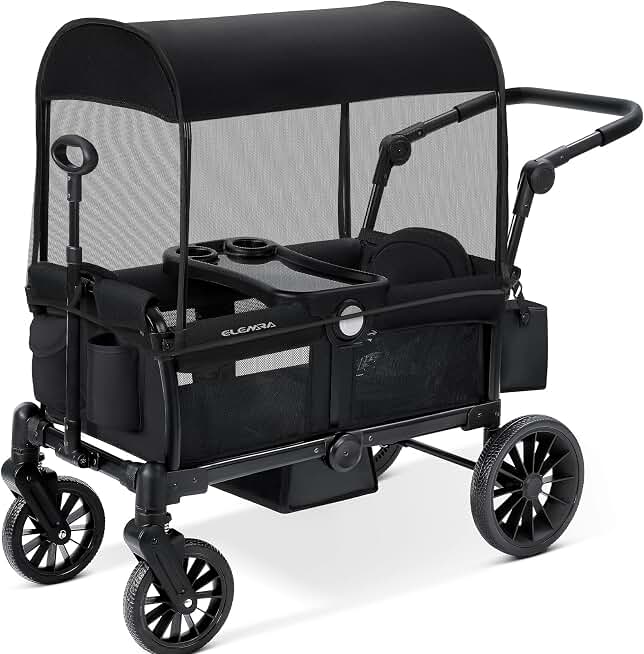
The primary challenge in Rome is terrain stability. A standard urban stroller might get stuck in the gaps between stones or tip on uneven pavement. You need a mobility solution with large, air-filled tires and a robust suspension system. These features absorb shock and provide the traction necessary to handle the uneven historic streets comfortably. Think of it like swapping city tires for all-terrain tires on a car; the difference in control and comfort is immediate.
We recommend focusing on two types of products: all-terrain adaptive strollers and portable seating. Adaptive strollers are essential for families or individuals who need to travel long distances between sites. Look for models specifically marketed as "all-terrain" or "off-road" with large rear wheels. For shorter trips or museum visits where you might need to fold and store your device, a lightweight, portable folding chair can be a useful backup.
The following products are selected for their ability to handle rough urban terrain while remaining manageable for travel.


As an Amazon Associate, we may earn from qualifying purchases.
When selecting gear, prioritize weight and foldability alongside terrain capability. You will likely be carrying these devices up and down stairs, onto public transportation, or into tight museum entryways. A device that handles cobblestones well but is too heavy to lift is not practical for a day trip. Always check the weight limit and folded dimensions before purchasing.
Essential gear for NYC day trips
New York City demands gear that can keep up with its verticality and pace. The subway system, with its lack of elevators in older stations and steep stairs, turns a simple commute into a logistical challenge. You need equipment that is not only durable but also compact enough to fold down for tight elevator rides or crowded platforms.
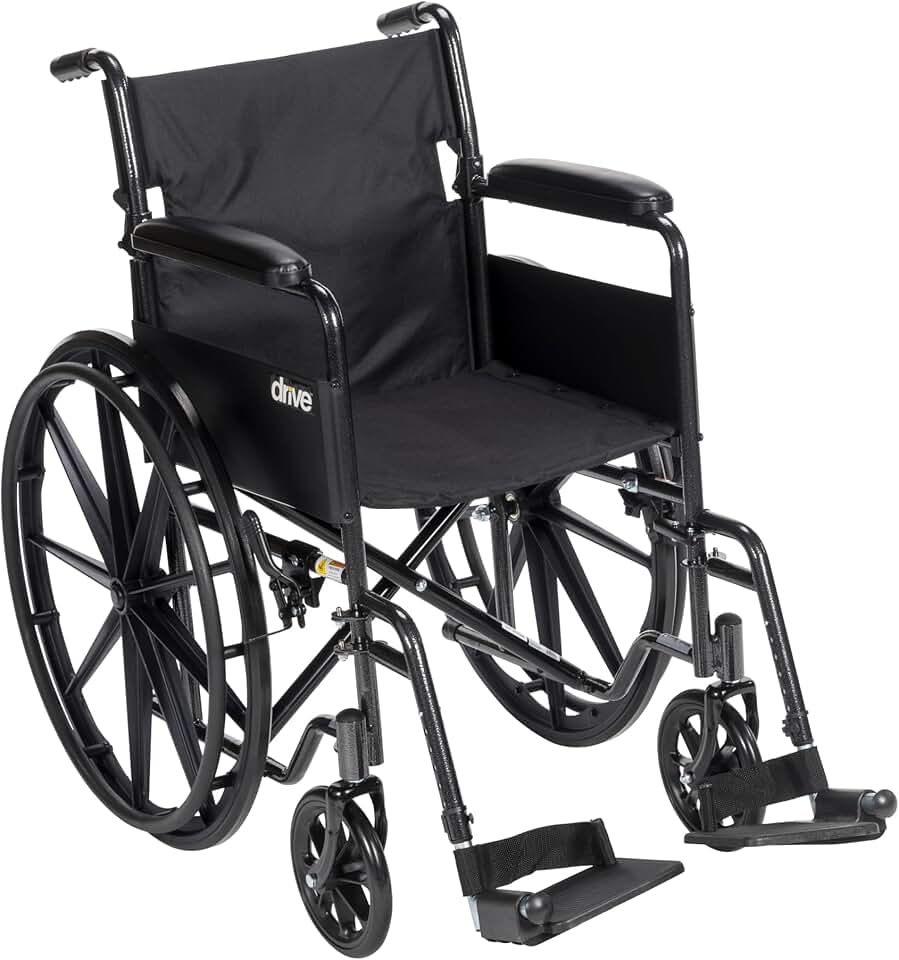
A lightweight, compact folding wheelchair is the cornerstone of any accessible NYC itinerary. Look for models with small rear wheels that can navigate curbs and uneven pavement without bulk. The goal is to find a chair that fits through standard subway turnstiles and folds small enough to fit in a taxi trunk or under a restaurant table.
Complement your mobility device with a streamlined daypack. Avoid large, bulky backpacks that snag on subway poles or block aisles. Instead, choose a cross-body bag or a slim, water-resistant pack that keeps your essentials—phone, wallet, and a small first-aid kit—secure and within reach while you navigate busy sidewalks.

As an Amazon Associate, we may earn from qualifying purchases.
Seattle gear for rain and hills
Seattle’s terrain demands gear that can handle two things at once: steep inclines and steady rain. The city’s topography is unforgiving on knees and balance, while the weather offers no dry windows. Packing the right equipment turns a potential struggle into a manageable adventure.
Stability comes first. A four-wheeled hiking frame or a sturdy trekking pole setup provides the balance needed for Seattle’s cobblestone streets and steep parks. Look for models with wide, stable bases that won’t tip on wet surfaces. Water resistance is non-negotiable. Gear should shed water without soaking through, keeping you dry and light.
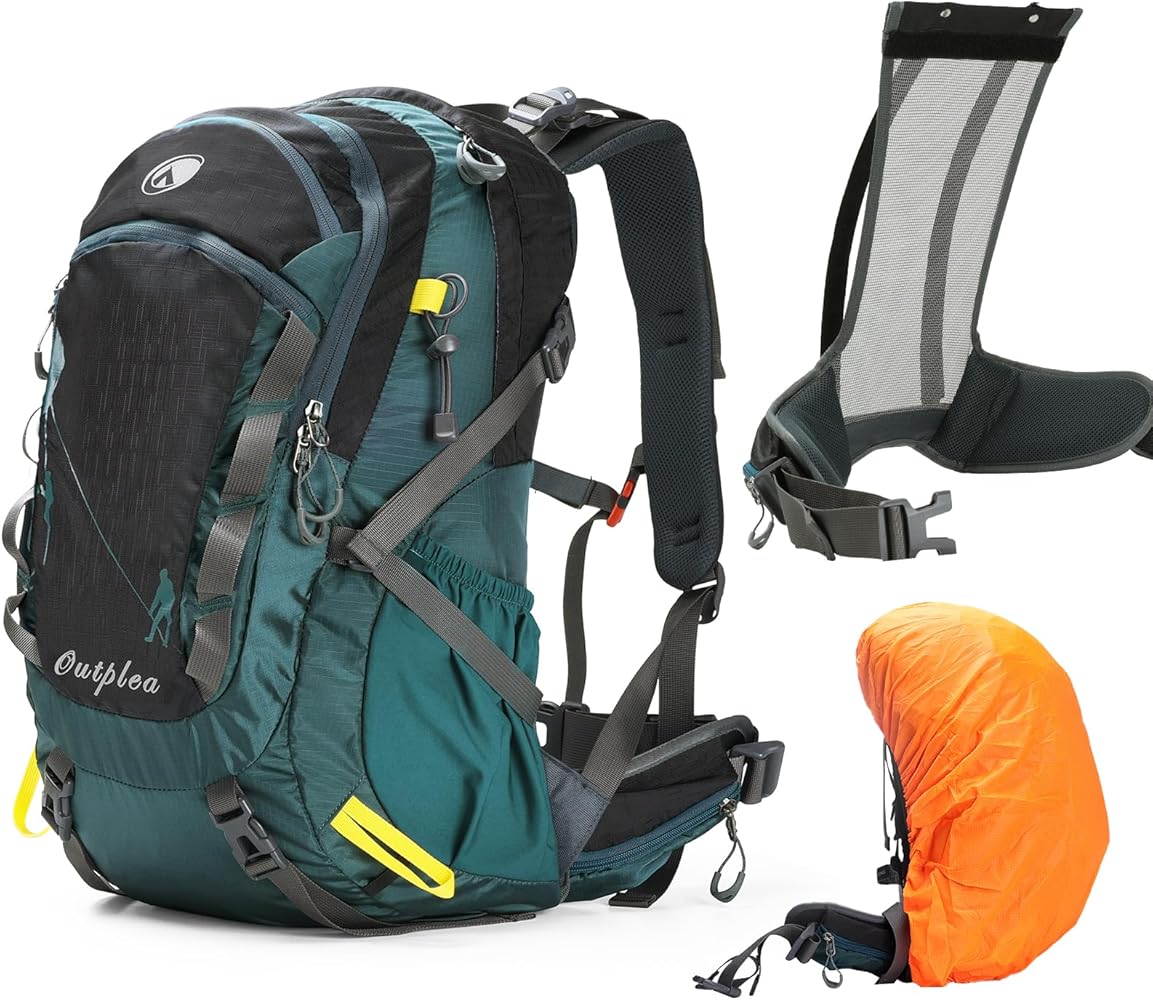
Weather protection extends beyond clothing. Waterproof backpacks with roll-top closures keep electronics and dry clothes safe during sudden downpours. Anti-slip shoe covers or gaitlers add traction on slick pavement and muddy trails. These small additions prevent slips and keep your footing secure.
Choosing gear that addresses both slope and rain ensures you enjoy the city’s views without worrying about your safety or comfort.


As an Amazon Associate, we may earn from qualifying purchases.
Comparing adaptive gear options
Choosing the right equipment depends on your specific mobility needs and the terrain you plan to tackle. The following comparison breaks down the key features of three popular adaptive gear categories to help you decide what fits your day trip best.
For city explorations in Rome, NYC, or Seattle, portability often wins. A folding all-terrain wheelchair fits easily into most vehicles, allowing you to switch from urban sidewalks to park trails without hassle. If you prefer a more active experience, an adaptive mountain bike offers greater speed and range on paved or packed gravel paths, though it requires a vehicle rack for transport.
For those who enjoy slower, more grounded exploration, a hiking frame walker provides stability on flat, well-maintained trails. It is the lightest option and can often be carried on planes, making it ideal for travelers who want to minimize checked baggage while still enjoying outdoor green spaces.
Plan your accessible day trip
Before heading out to Rome, NYC, or Seattle, organize your gear and information so the day runs smoothly. Accessible travel relies on preparation, from checking transit routes to packing the right mobility aids. Use this checklist to ensure you have everything you need for a comfortable and enjoyable adventure.

Contact local transit authorities and attractions ahead of time. Confirm elevator availability, wheelchair-friendly entrances, and accessible restroom locations. Many major cities have detailed online guides, but a quick phone call can clarify specific needs.

Bring your primary mobility device, whether it’s a wheelchair, walker, or cane. Pack a repair kit with spare tubes, tape, and tools. Consider a lightweight, foldable travel chair for moments when you need to rest your legs during long walks or waits.

Include sun protection, hydration supplies, and any necessary medications. A first-aid kit should cover minor cuts and blisters. For outdoor excursions, wear sturdy, non-slip footwear and carry a fully charged phone with offline maps saved.
Save local emergency numbers and the address of your accommodation. Share your itinerary with a friend or family member. Knowing the location of the nearest hospital or urgent care center provides peace of mind while exploring new places.
No comments yet. Be the first to share your thoughts!