

Choose your adaptive activity
Adaptive recreation programs are designed for people of all ages and abilities, ensuring everyone can participate safely. Whether you are interested in cycling, kayaking, hiking, or winter sports, there is likely a program tailored to your specific needs. These activities often require specialized equipment or modified techniques, but the goal is always the same: inclusive participation.
Start by identifying the type of environment you prefer. Water-based activities like kayaking and canoeing offer a different experience than land-based options such as hiking or cycling. Consider your physical comfort level and any mobility aids you might use. Many organizations provide equipment like handcycles or sit-skis, so you do not need to bring your own gear.
Research local providers to see what they offer. Programs are typically available at no or very low cost, making them accessible to a wide range of participants. Look for groups that emphasize community and support, as this can enhance your overall experience. For example, All Out Adventures offers a variety of programs including pickleball, camping, and cross-country skiing.

Once you have selected an activity, check the requirements for participation. Some programs may have age restrictions or specific fitness levels, while others are open to everyone. Contact the provider directly to discuss any accommodations you might need. This step ensures that you can focus on enjoying the activity rather than worrying about logistics.
Finding the right activity can feel like finding the right pair of shoes—it needs to fit your needs and support your goals. Take your time to explore different options and ask questions. The right adaptive activity can be a transformative experience, offering both physical challenge and social connection.
Reserve your adaptive equipment
Securing specialized gear is the foundation of a successful inclusive outdoor experience. Whether you need a recumbent trike for a smooth ride or an adaptive kayak for the water, availability is often limited. Booking early ensures you get the right fit and allows time for any necessary safety checks or training sessions.
Choose the right gear for your needs
Start by identifying the specific activities you want to pursue. All Out Adventures offers a range of adaptive recreation programs, including cycling, hiking, kayaking, and winter activities. Review their current program offerings to see which equipment aligns with your goals. If you are unsure, contact the organization directly to discuss your mobility requirements and find the best match.
Book in advance to secure availability
Adaptive equipment is specialized and not always kept in stock. Reserve your gear well before your planned outing. Many organizations require deposits or advance notice to prepare the equipment for you. This step prevents last-minute cancellations and ensures that the gear is clean, serviced, and ready for use.
Prepare for pickup and orientation
On the day of your activity, arrive early for a thorough orientation. Staff will help you fit the equipment, such as adjusting straps on a handcycle or securing a kayak seat. Take this time to practice basic maneuvers in a safe, controlled area. Ask questions about safety protocols and emergency procedures to build confidence before heading out.
Pack essential gear for the day
A successful inclusive outdoor excursion depends on preparation that accounts for mobility aids, weather shifts, and comfort needs. Whether you are cycling, kayaking, or hiking, packing the right gear ensures safety and accessibility without weighing you down. Focus on items that support your specific adaptive equipment and personal comfort.
Your Adaptive Packing Checklist
- Mobility support: Extra tire tubes, pump, or wheelchair repair kit if cycling; waterproof bags for electronic devices if kayaking.
- Comfort layers: Moisture-wicking base layers and insulated jackets that are easy to put on with limited dexterity.
- Hydration and nutrition: High-energy snacks and water bottles with easy-grip lids or straw attachments.
- Safety essentials: First aid kit, sun protection, and a fully charged phone with offline maps.
Recommended Gear
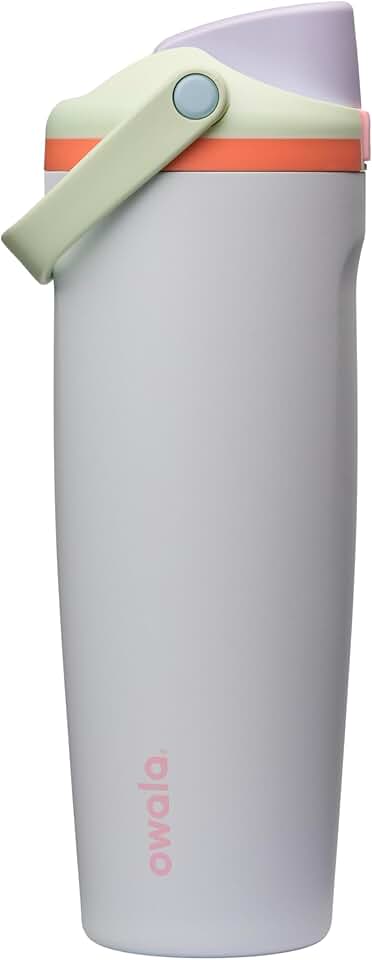

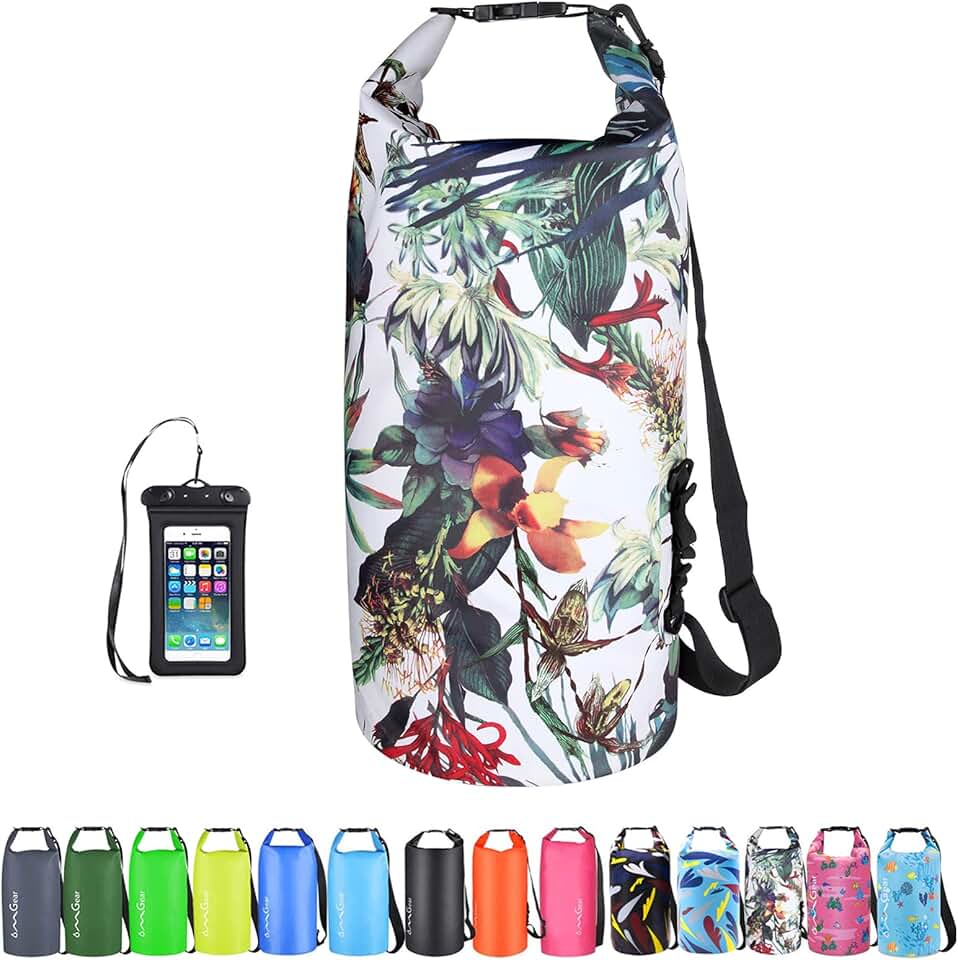
As an Amazon Associate, we may earn from qualifying purchases.
Navigate common accessibility: what to check next
Before booking an adaptive adventure, it helps to know exactly where you are going and what the physical demands look like. This section clears up the most common questions about location, activity variety, and suitability for different mobility levels.
Where is All Out Adventures located?
All Out Adventures is situated in the Northern Drakensberg region of KwaZulu-Natal, South Africa. The centre is located near Bergville, offering access to unspoilt mountain landscapes. This specific geography provides a natural setting for high-altitude activities like zip-lining and quad biking, but it also means the terrain is rugged. Visitors should expect mountain roads and uneven ground, which requires careful planning for transport and mobility aids.
What activities are available for different abilities?
The centre offers a wide spectrum of activities, ranging from high-adrenaline options to more relaxed experiences. High-intensity activities include quad trails, a six-slide cable tour, and paintball. For those seeking lower-impact engagement, there are extensive networks of marked mountain bike trails, trail running paths, and a play area with trampolines and a big swing. Seating areas are available for spectators or those who prefer to rest, making it possible to enjoy the atmosphere even if you are not participating in the active sports.
Is the park suitable for beginners or limited mobility?
While many activities like zip-lining and quad biking require a baseline level of physical fitness and the ability to sit securely in safety harnesses, the venue is designed to be inclusive. The presence of seating areas and a dedicated play zone allows individuals with limited mobility to participate in the social aspect of the visit. However, for the core adventure sports, participants must be able to follow safety instructions and remain seated during operation. It is best to contact the centre directly to discuss specific mobility needs, as they can advise on which trails or activities might be adapted or which areas are most accessible via wheelchair.
Work through The to Day Trips from Major Cities
No comments yet. Be the first to share your thoughts!