


Why day trips beat long hauls
Long-distance travel often demands a significant investment of time, money, and energy. By contrast, day trips provide a high-impact experience with minimal logistical friction. You can explore new terrain, engage with local culture, and return to the comfort of your own bed or hotel by evening. This approach maximizes enjoyment while minimizing the stress associated with packing, transit, and accommodation.
The Adventures All Out philosophy centers on accessible, high-quality outdoor experiences for people of all abilities. Whether you are a seasoned hiker or visiting for the first time, the goal is to make nature inclusive and enjoyable. Short excursions allow you to test different activities without the commitment of a multi-day itinerary, making it easier to tailor the adventure to your specific needs and energy levels.
Focusing on local nature and culture creates a deeper connection to the places you visit. Instead of skimming the surface of distant landmarks, day trips encourage you to slow down and appreciate the details. This method of travel is not just about convenience; it is about crafting meaningful memories through accessible, well-planned outdoor recreation.
Quick Jaunt from NYC to the Hudson Valley
The Hudson Valley offers a refreshing escape from the concrete grid of New York City, just a two-hour drive north. This region is ideal for a day trip focused on accessible outdoor activities, allowing you to experience nature without the logistical hurdles of a multi-day trek. The landscape shifts from urban density to rolling hills and historic estates, providing a perfect backdrop for a relaxed adventure.
For those seeking inclusive recreation, All Out Adventures runs programs designed for people of all abilities, including seniors and veterans. While their primary base is in Massachusetts, the spirit of adaptive outdoor recreation is mirrored in the Hudson Valley’s network of accessible trails and parks. Visitors can enjoy guided hikes along the Appalachian Trail’s easier sections or explore the paved pathways of the Hudson River Valley Greenway. These routes are wide enough for wheelchairs and strollers, ensuring that everyone can participate in the scenery.
To make the most of your day, pack light and focus on mobility. A sturdy pair of walking shoes and a reusable water bottle are essentials. If you plan on kayaking or canoeing on the Hudson, consider renting adaptive equipment from local outfitters who specialize in inclusive water sports. The valley’s charm lies in its accessibility, letting you connect with the outdoors on your own terms.
Excursion from Seattle to Mount Rainier
Mount Rainier National Park is a visual powerhouse, offering some of the most dramatic landscapes in the Pacific Northwest. The drive from Seattle takes about two and a half hours, making it a manageable day trip for those seeking high-altitude scenery without the logistical headache of an overnight stay. The park’s primary draw is the 14,410-foot stratovolcano itself, a towering presence that dominates the horizon and provides a stunning backdrop for hiking, photography, and nature appreciation.
The most accessible entry point for a day trip is the Paradise area on the south side of the mountain. Here, you can experience alpine meadows and glacier views with minimal effort. In late June and July, the wildflower displays are spectacular, turning the hillsides into vibrant carpets of lupine, paintbrush, and lupine. The Paradise Valley trail is a short, paved loop that offers easy access to the Nisqually Glacier, allowing visitors of all abilities to witness the sheer scale of the ice field.
While the drive is straightforward, the park’s elevation can be a factor. Paradise sits at 5,400 feet, so it is important to bring layers even in summer, as temperatures can drop quickly. The park service is well-maintained, with clear signage and accessible facilities, ensuring that the experience is smooth for families and casual hikers alike. For those with more energy, the Skyline Trail offers a moderate hike with panoramic views of the Emmons Glacier and Mount Adams, rewarding the effort with some of the best vistas in the state.
Day trip from Rome to Tivoli
Tivoli sits just a 30-minute train ride from Rome, offering a distinct break from the city’s urban density. This day trip from Rome to Tivoli is defined by two major historical sites that showcase the height of Renaissance and Imperial grandeur. The town’s compact center makes it easy to navigate, though the primary attractions require some walking.
Villa d'Este
Villa d'Este is a UNESCO World Heritage site famous for its terraced gardens and hydraulic engineering. Built in the 16th century, the villa features over 500 fountains, including the iconic Oval Basin and the Rometta. The water displays are not just decorative; they are a testament to Renaissance ingenuity. The grounds are paved and generally accessible, but the terraced layout involves some stairs and slopes that may be challenging for those with limited mobility.
Hadrian's Villa
Hadrian's Villa (Villa Adriana) was the retreat of Emperor Hadrian, spanning over 120 hectares. Unlike the manicured gardens of Villa d'Este, this site is an archaeological park filled with ruins of palaces, baths, and theaters. The extensive grounds are largely unpaved and uneven, making it a more demanding visit for those with mobility issues. However, the sheer scale of the ruins provides a profound glimpse into Roman imperial life. Visitors often find the contrast between the two sites—one of water and order, the other of stone and ruin—complementary and deeply rewarding.
Essential gear for every adventure
Getting out of the city requires more than just a map; it demands the right tools to handle unpredictable terrain and weather. Whether you are navigating the cobblestones of Rome, the subway stairs of New York, or the rainy trails of Seattle, having reliable equipment makes the difference between a frustrating day and a memorable one. This section focuses on the core items that keep you safe, comfortable, and ready for any excursion, regardless of your fitness level.
The foundation of any trip is a comfortable, supportive pair of shoes. Your feet will carry you through miles of uneven surfaces, so choosing footwear with good traction and arch support is non-negotiable. Pair this with moisture-wicking socks to prevent blisters, and you will be set for the majority of your daily movements. For longer hikes or more rugged paths, trekking poles can significantly reduce strain on your knees and improve balance, making them an excellent addition for hikers of all abilities.
Staying hydrated and protected from the elements is equally important. A durable, reusable water bottle ensures you have access to clean drinking water throughout the day, reducing plastic waste and saving money. A lightweight, packable rain jacket is another essential item that can quickly adapt to changing weather conditions, keeping you dry and warm without adding significant weight to your pack. These small investments in gear pay off by allowing you to focus on the experience rather than discomfort.


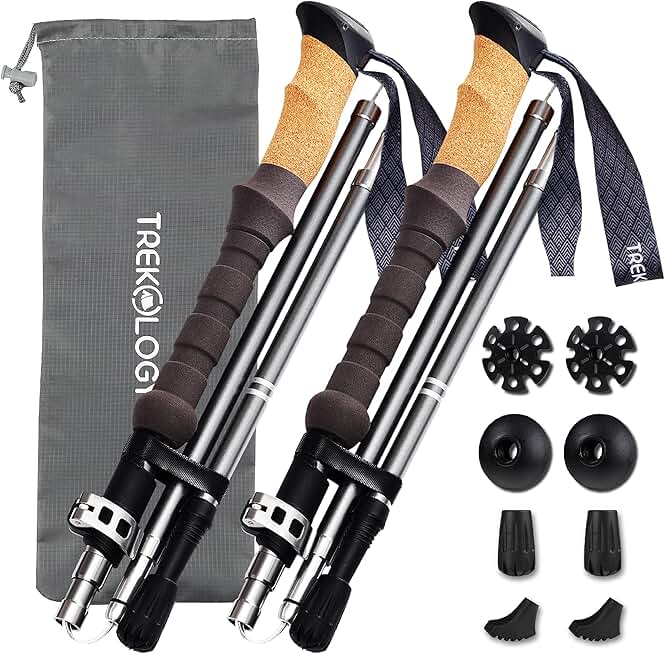

As an Amazon Associate, we may earn from qualifying purchases.
No comments yet. Be the first to share your thoughts!