

See Before You Go: VR Day Trips Arrive
Planning a trip can be stressful, especially when you're unsure if a destination will meet your expectations. Virtual reality day trips offer a solution, letting you experience a place before you commit.
VR technology has advanced significantly from its early days of bulky headsets and limited content. Immersive experiences are now compelling, and by 2026, VR travel previews are expected to be a common part of trip planning.
VR travel augments, rather than replaces, real travel. It helps people make informed decisions, build excitement, and overcome anxieties about new places, offering a preview of adventure.
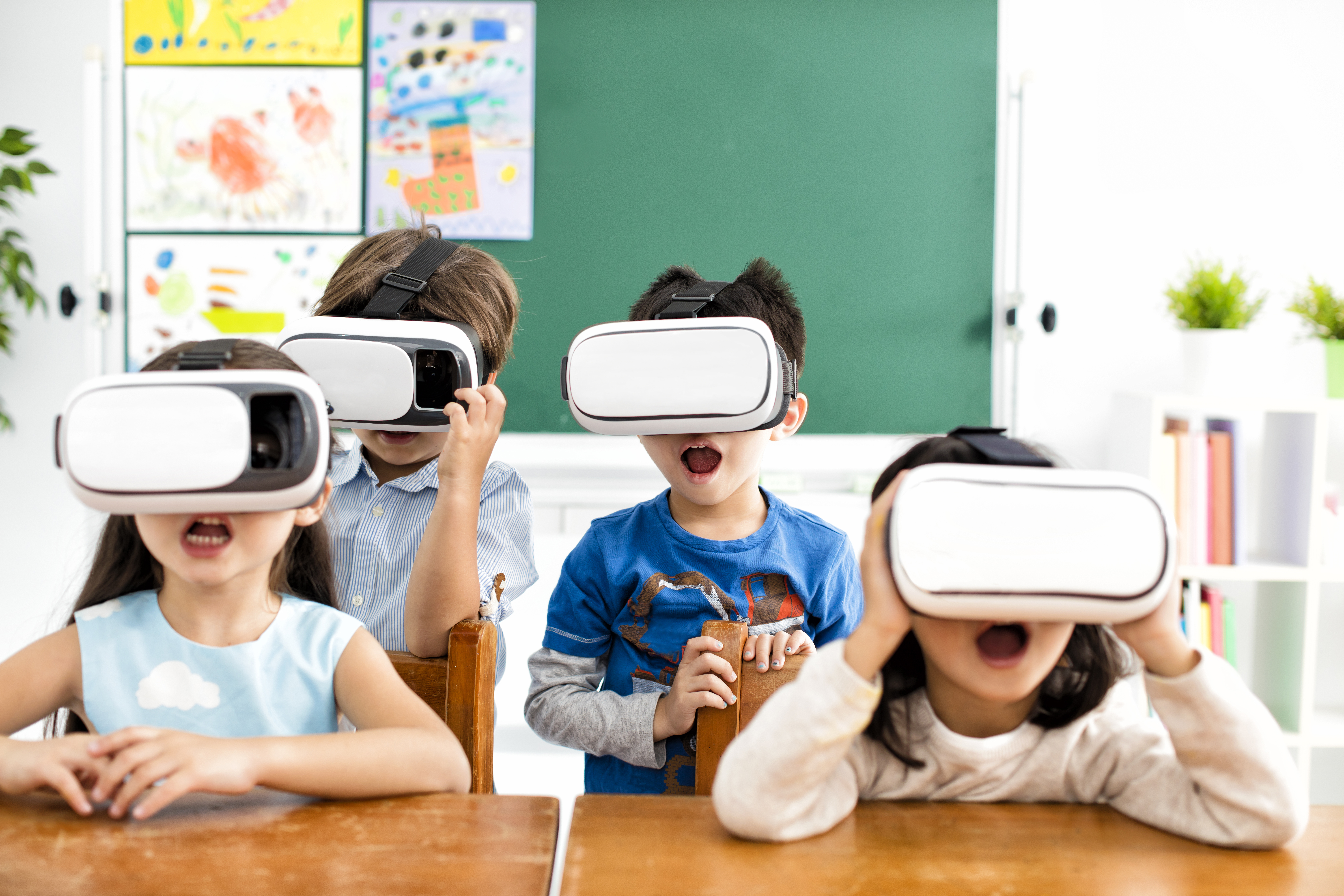
TriptoVR and Meta Quest: Early Pioneers
TriptoVR, available on the Meta Quest store, is one of the platforms leading VR travel. It allows users to virtually visit destinations like Rome, Barcelona, and the Grand Canyon, with varying levels of interactivity.
Meta is also investing heavily in VR travel. Their Quest store offers apps and films for virtual travel, including over 11 options for exploring the world from home, often focusing on sightseeing in iconic locations.
Current VR travel experiences are visually impressive but often limited in interactivity, with users acting as passive observers. Resolution is improving but not yet indistinguishable from reality. However, as previews, they are effective. The Meta Quest 2 and Quest 3 are the main access points for these experiences.
Beyond Sightseeing: Immersive Trip Planning
VR travel isn’t just about "looking’ at a place; it"s about being there, to a degree. Platforms are starting to offer features that go beyond simple sightseeing. Imagine 'walking' down a virtual street, peering into shop windows, and getting a sense of the atmosphere. Some experiences even allow you to enter buildings – museums, churches, or even restaurants – and explore their interiors.
VR excels as a trip planning tool by allowing users to preview hotel rooms, museum layouts, or restaurant ambiance. Unlike 360 videos, VR offers agency, letting users look around, move, and interact for a more immersive feel.
The potential for VR in trip planning is vast, enabling virtual attendance at festivals, previewing hiking trails, or practicing local language phrases. These experiences build confidence for travelers, offering a more dynamic preview than static images or text.
ClassVR focuses on educational applications, including virtual tourism, offering curated VR travel experiences for students and travelers. This indicates a trend toward specialized VR travel content for specific interests.
The Tech Catch-Up: What's Improving by 2026?
Current VR experiences are impressive but represent only the beginning. By 2026, expect improvements in resolution for sharper images and lighter, more comfortable headsets.
Haptic technology will become more sophisticated, allowing users to feel virtual textures or warmth. While full sensory experiences like smell and taste are distant, rudimentary scent integration may appear within a few years.
Connectivity improvements, such as 5G and edge computing, will enable wireless streaming of higher-quality VR experiences, reducing reliance on expensive PCs and increasing accessibility. Faster processing will also support more complex virtual environments.
The timeline for convincing sensory integration is uncertain, but the goal is to create VR experiences that blur the line between virtual and real. This is a significant challenge, though innovation is progressing rapidly.
Destinations Leading the VR Charge
Destinations are embracing VR tourism to attract visitors. Italy, with cities like Florence and Venice, offers high-quality VR experiences of historic sites, including reconstructions and interactive elements.
Slovenia is investing in VR tourism to showcase its natural beauty, from the Julian Alps to the Postojna Cave. This approach helps reach a wider audience and promote lesser-known attractions.
Smaller regions, like the Canary Islands, are using VR to showcase volcanic landscapes and biodiversity through experiences like virtual hikes and underwater exploration. Destinations recognize VR as a powerful marketing tool.
Portugal is digitizing cultural heritage sites for VR access, offering virtual tours of castles, churches, and museums. This positions these destinations as leaders in future travel.
- Italy: Florence, Venice – Historic sites and reconstructions
- Slovenia: Julian Alps, Postojna Cave – Natural beauty and ecosystems
- Canary Islands: Volcanic landscapes, underwater ecosystems – Unique biodiversity
- Portugal: Historic castles, churches, museums – Cultural heritage digitization
VR Destination Previews
- Rome, Italy - Several companies offer VR experiences recreating ancient Rome. These aren't strictly 'preview' day trips, but allow visitors to experience sites like the Roman Forum and Colosseum as they appeared centuries ago, enhancing understanding before a physical visit. Many experiences focus on historical accuracy and immersive storytelling.
- Kyoto, Japan - Kyoto City Tourism Association has been experimenting with VR to showcase temples and gardens. While not a full day-trip simulation, available content provides 360° views and guided tours of locations like Kinkaku-ji (Golden Pavilion), offering a taste of the city's cultural heritage.
- Machu Picchu, Peru - VR experiences focusing on Machu Picchu are available through various platforms, allowing users to virtually explore the Inca citadel. These experiences often include narration and historical context, providing a preliminary understanding of the site’s significance and layout before a physical trek.
- New York City, USA - The New York Public Library has experimented with VR to offer virtual tours of its iconic Stephen A. Schwarzman Building. While not a full city preview, it provides a detailed look inside a landmark and can be a useful experience for planning a visit focused on architecture and history.
- Great Barrier Reef, Australia - Several organizations are utilizing VR to showcase the beauty and fragility of the Great Barrier Reef. These experiences allow users to ‘dive’ and explore coral reefs and marine life, raising awareness and potentially inspiring future visits. Some focus on the impact of climate change.
- Iceland’s Blue Lagoon - The Blue Lagoon has incorporated VR into its visitor experience, allowing potential travelers to preview the geothermal spa and surrounding landscapes. This provides a sense of the atmosphere and amenities before booking a trip.
Cost and Accessibility: Will VR Travel Be for Everyone?
undefined. The cost of the VR experiences themselves varies, ranging from free demos to paid tours that can cost $20-$50.
However, costs are coming down. As technology matures and competition increases, we can expect VR headsets to become more affordable. Subscription services may also emerge, offering access to a library of VR travel experiences for a monthly fee. This could make VR travel more accessible to a wider range of budgets.
The question is whether VR travel will remain a niche activity for tech enthusiasts, or if it will become mainstream. I believe it has the potential to reach a broader audience, particularly as the benefits become more apparent. But accessibility will depend on continued innovation and cost reductions. The availability of public VR experience centers could also play a role, allowing people to try VR travel without having to purchase their own equipment.
The Human Element: VR as a Supplement, Not a Replacement
It’s crucial to remember that VR travel is not meant to replace real travel. It’s a supplement, a tool to enhance the experience. The sights, sounds, smells, and emotions of being in a new place are irreplaceable. VR can’t replicate the feeling of the sun on your skin or the taste of local cuisine.
VR can, however, help you overcome anxieties about traveling to unfamiliar places. It can allow you to preview a destination and feel more prepared. It can also inspire you to explore new cultures and broaden your horizons. Responsible VR tourism means avoiding cultural appropriation or misrepresentation. It’s important to ensure that VR experiences are authentic and respectful of local cultures.
Ultimately, the goal is to use VR to make real travel more meaningful and enriching. It’s about using technology to connect with the world in a new way, not to replace the human connection. While the technology continues to evolve, the core value of travel – the opportunity to experience new cultures and create lasting memories – will remain unchanged.




No comments yet. Be the first to share your thoughts!